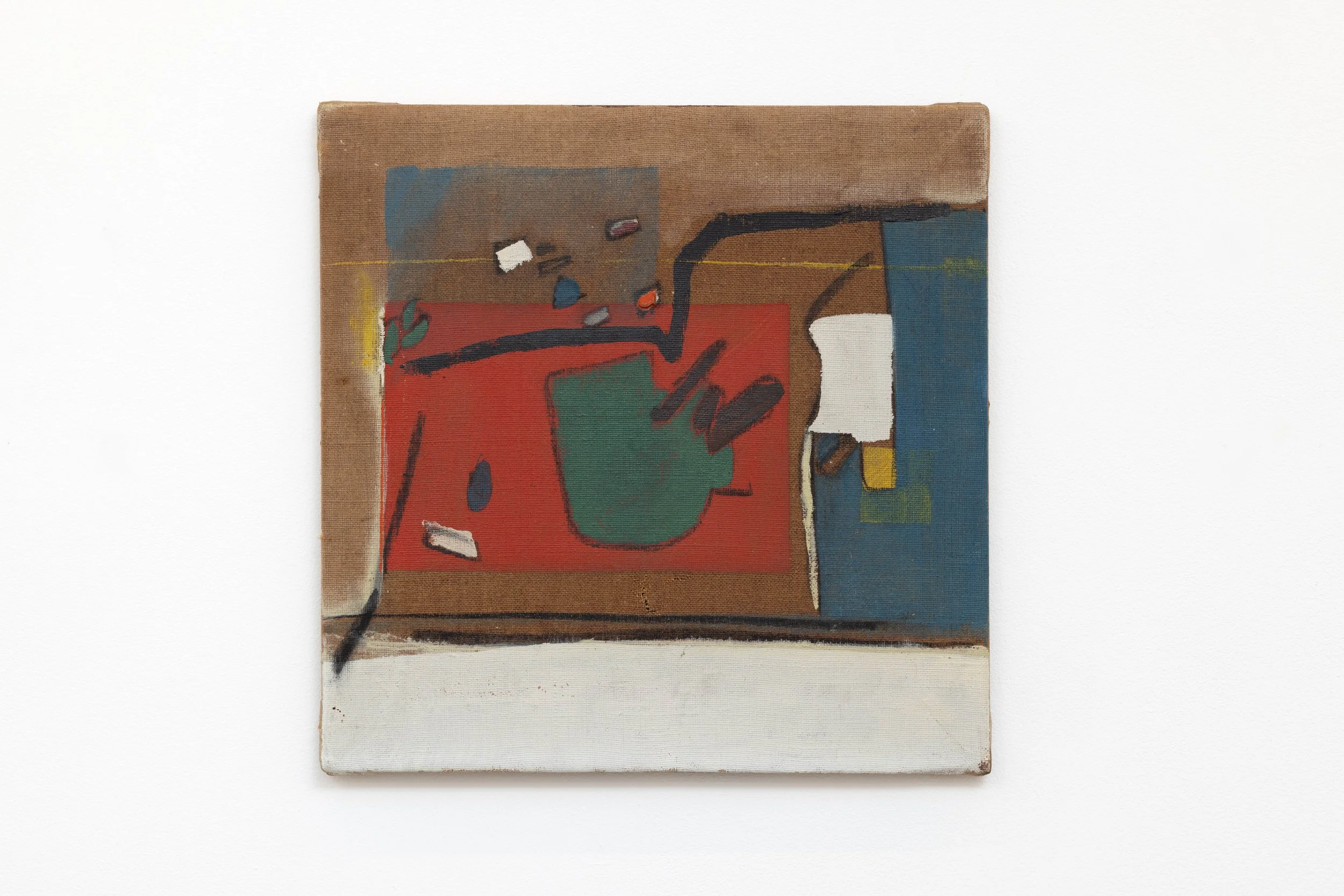
MICHAEL PERTON (1935-1996)
A Life in Abstraction
For available works and further information please contact: info@aliceblackgallery.com
Opening Hours:
Wednesday to Friday 12am – 5pm, Saturday 12pm – 3pm
Address:
ALICE BLACK
7 Windmill Street
London W1T 2JD
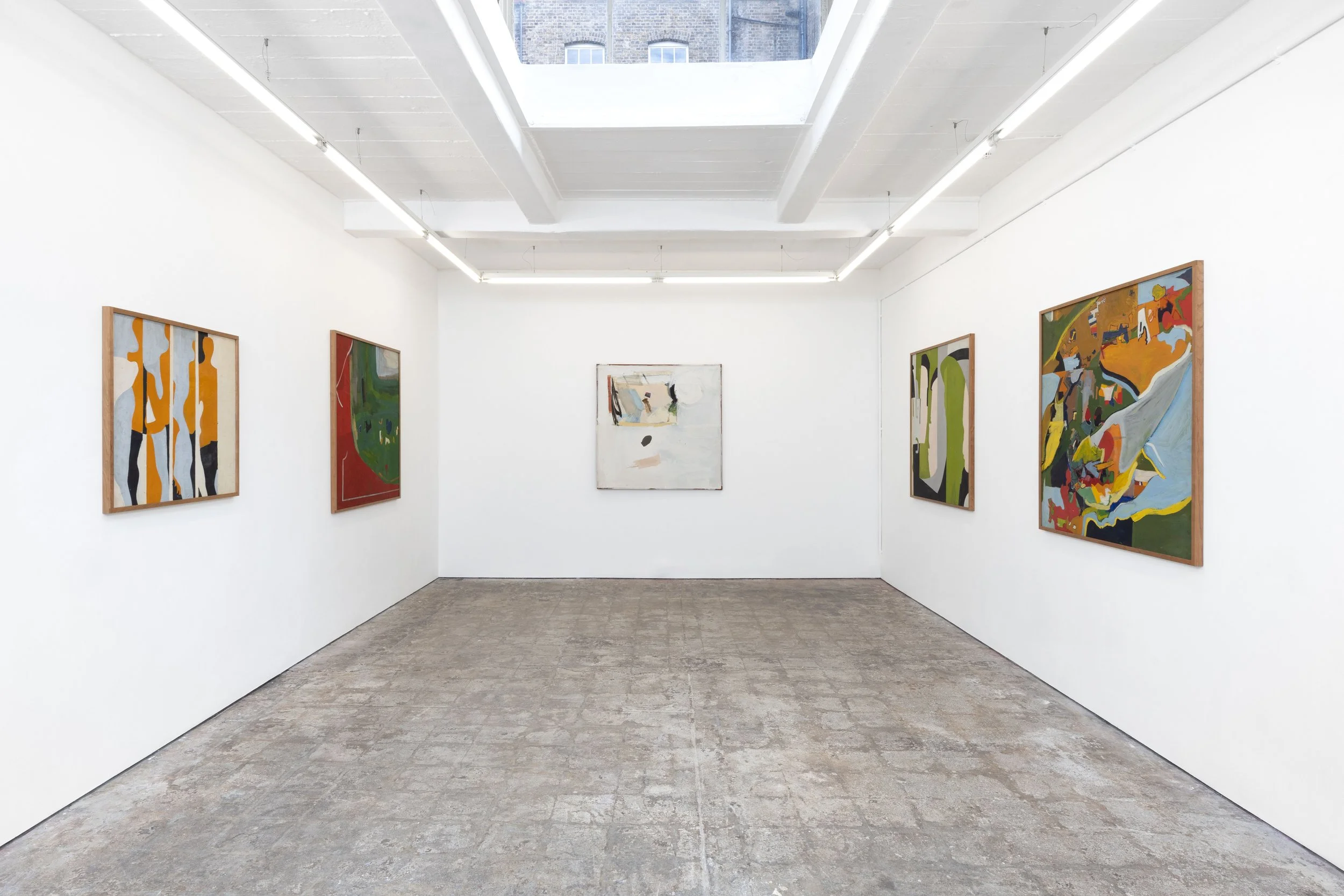
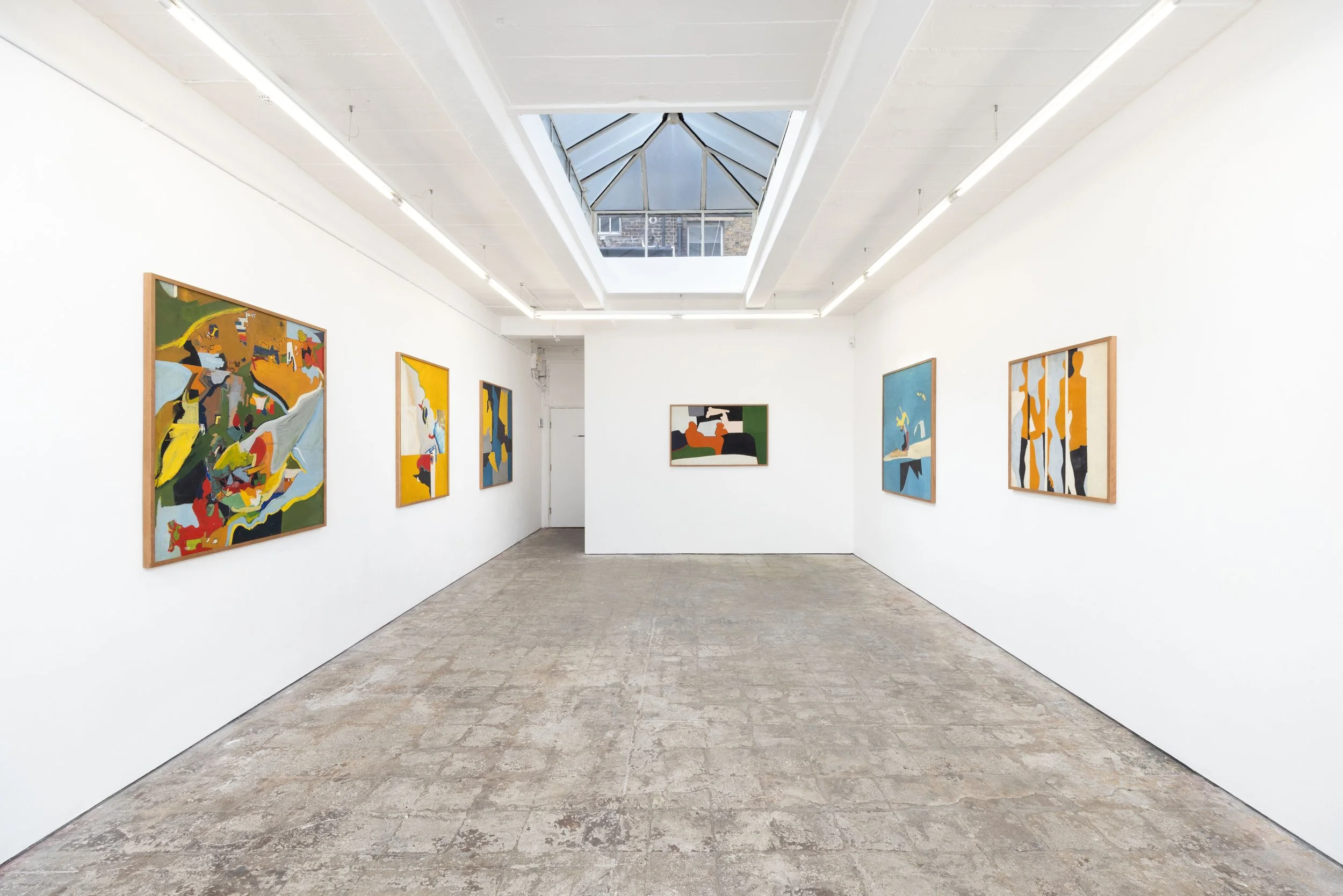
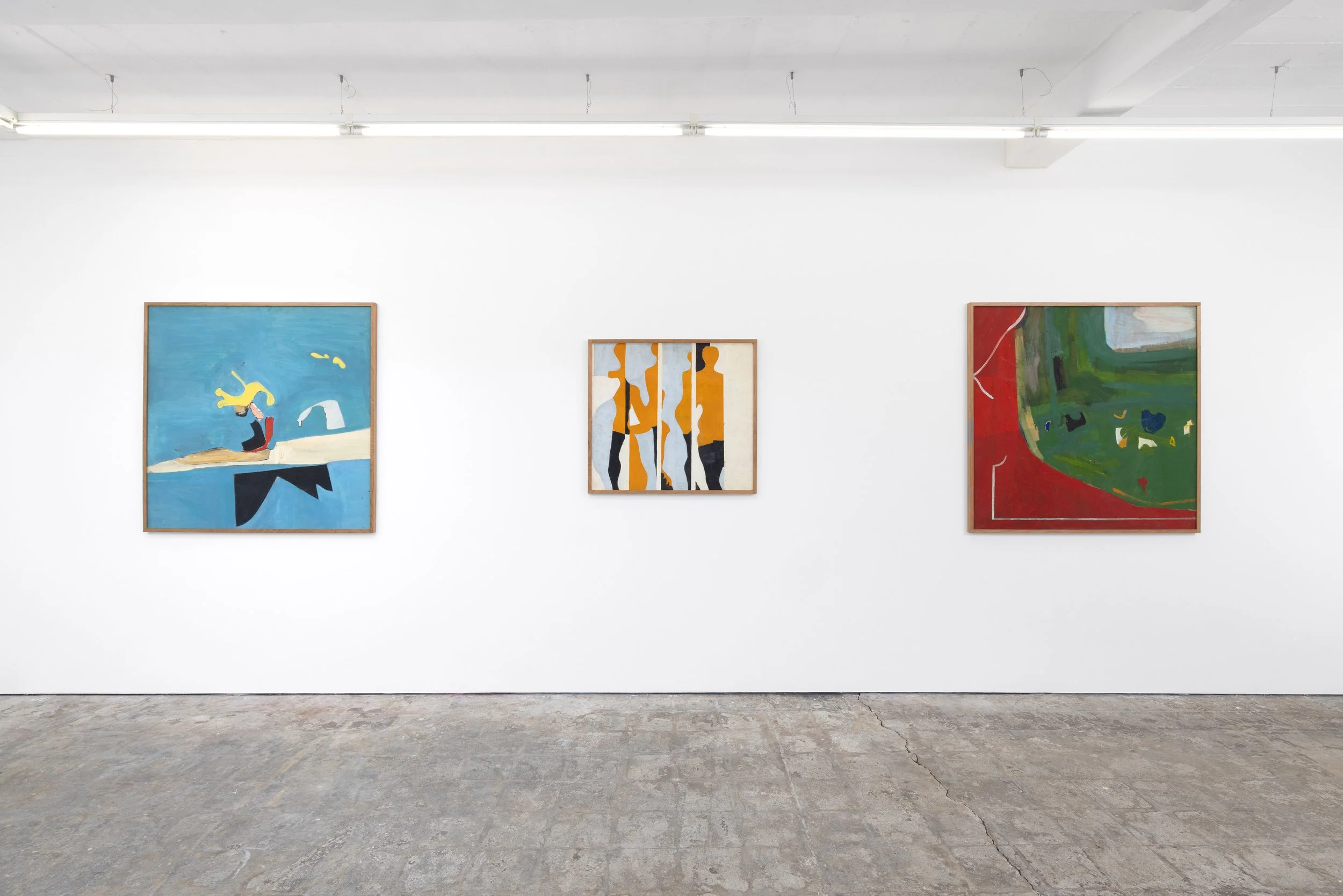
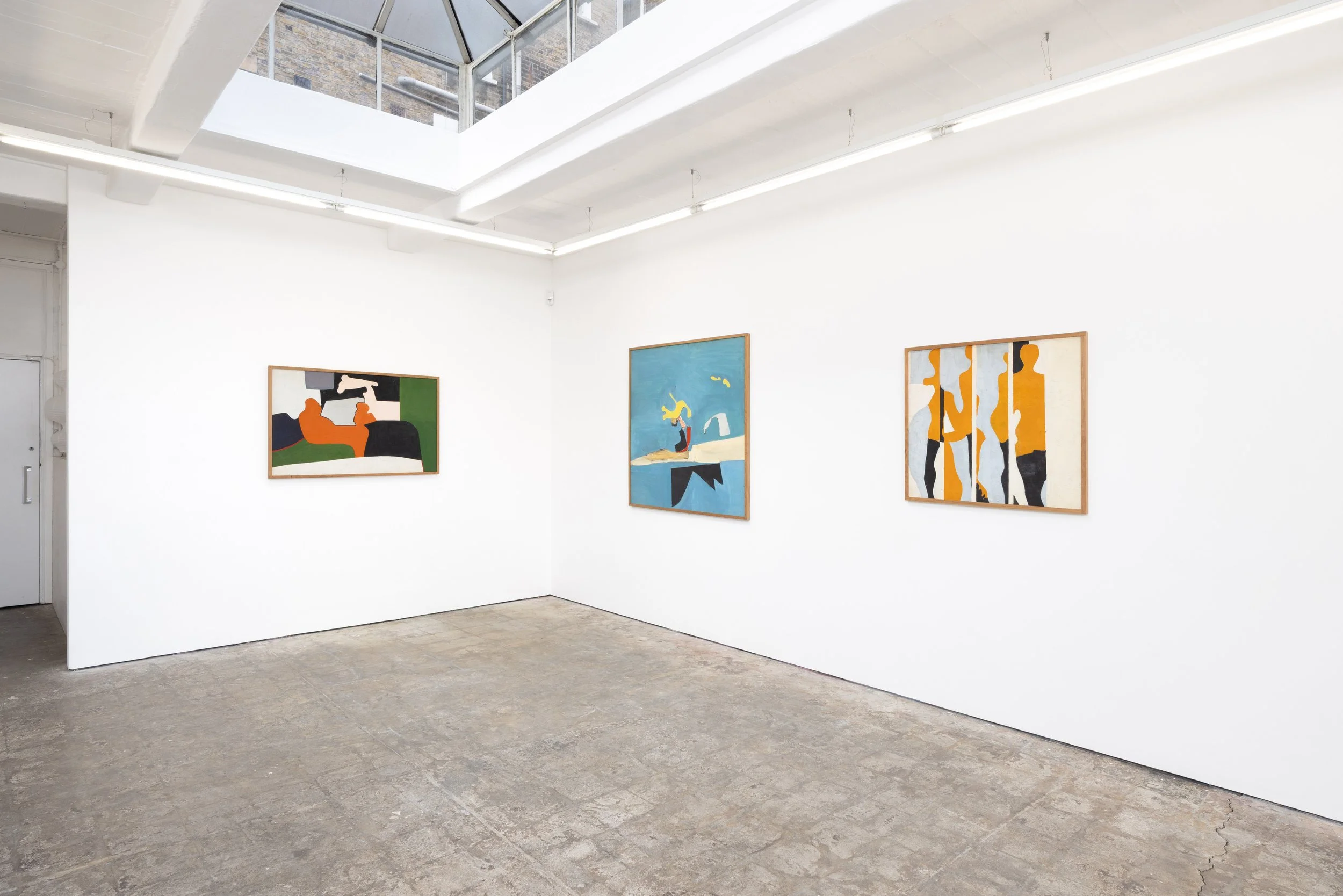
ALICE BLACK is delighted to announce its representation of the Estate of the late British abstractionist Michael Perton (1935–1996). The artist's first exhibition with the gallery, Michael Perton (1935–1996): A Life in Abstraction, will open with a preview on 17 September 2026 (6-8PM) at the gallery's Fitzrovia space in London. All welcome!
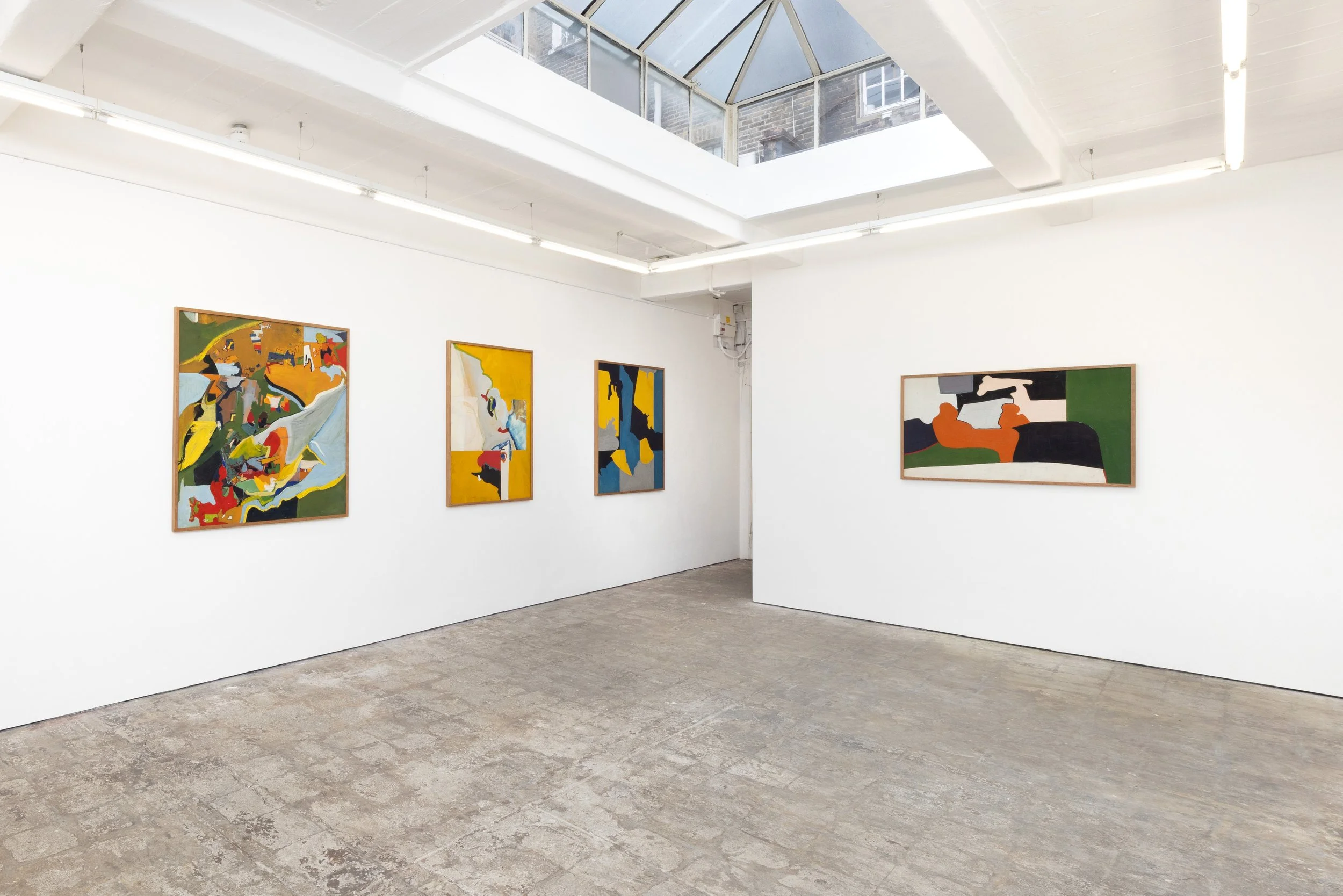
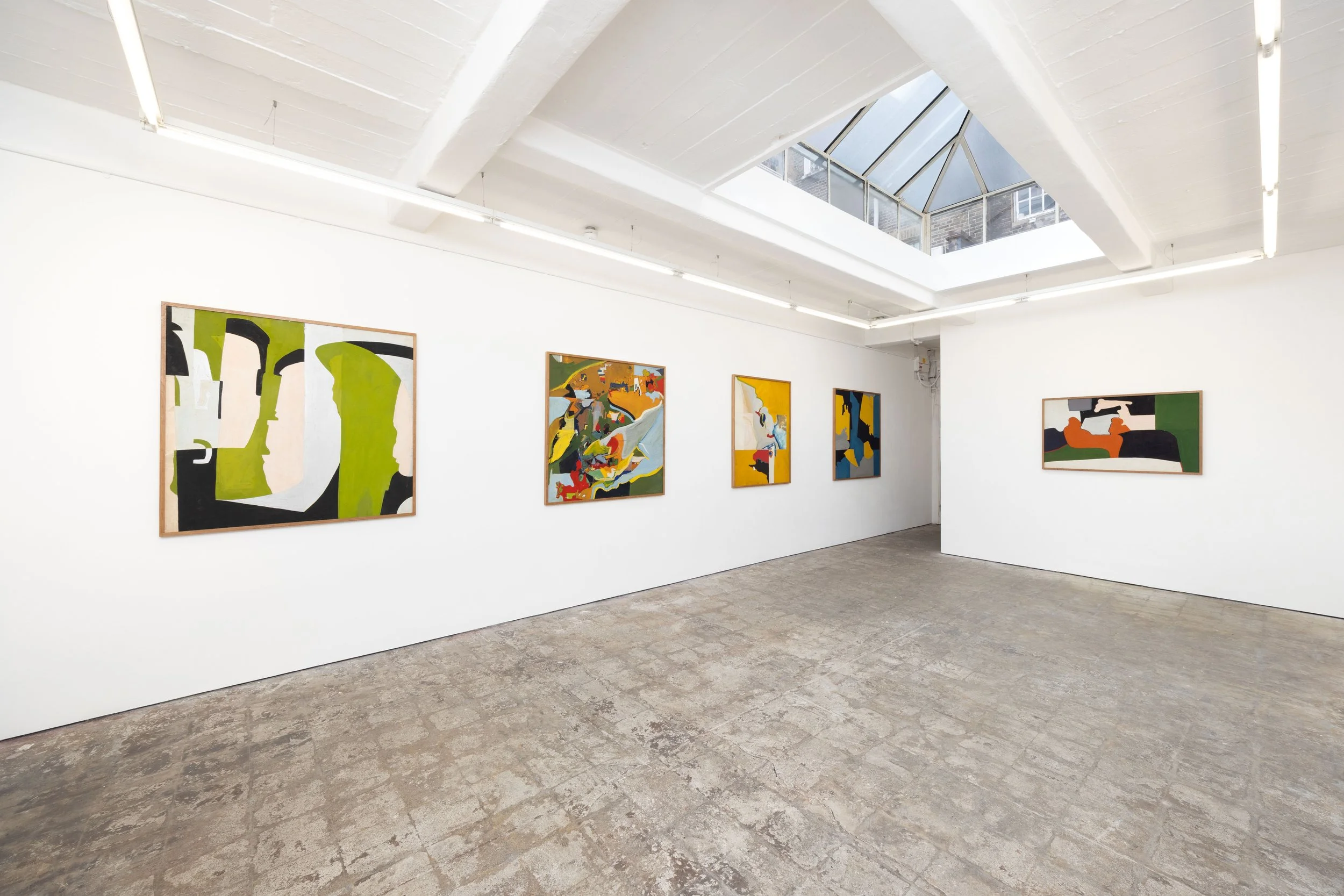
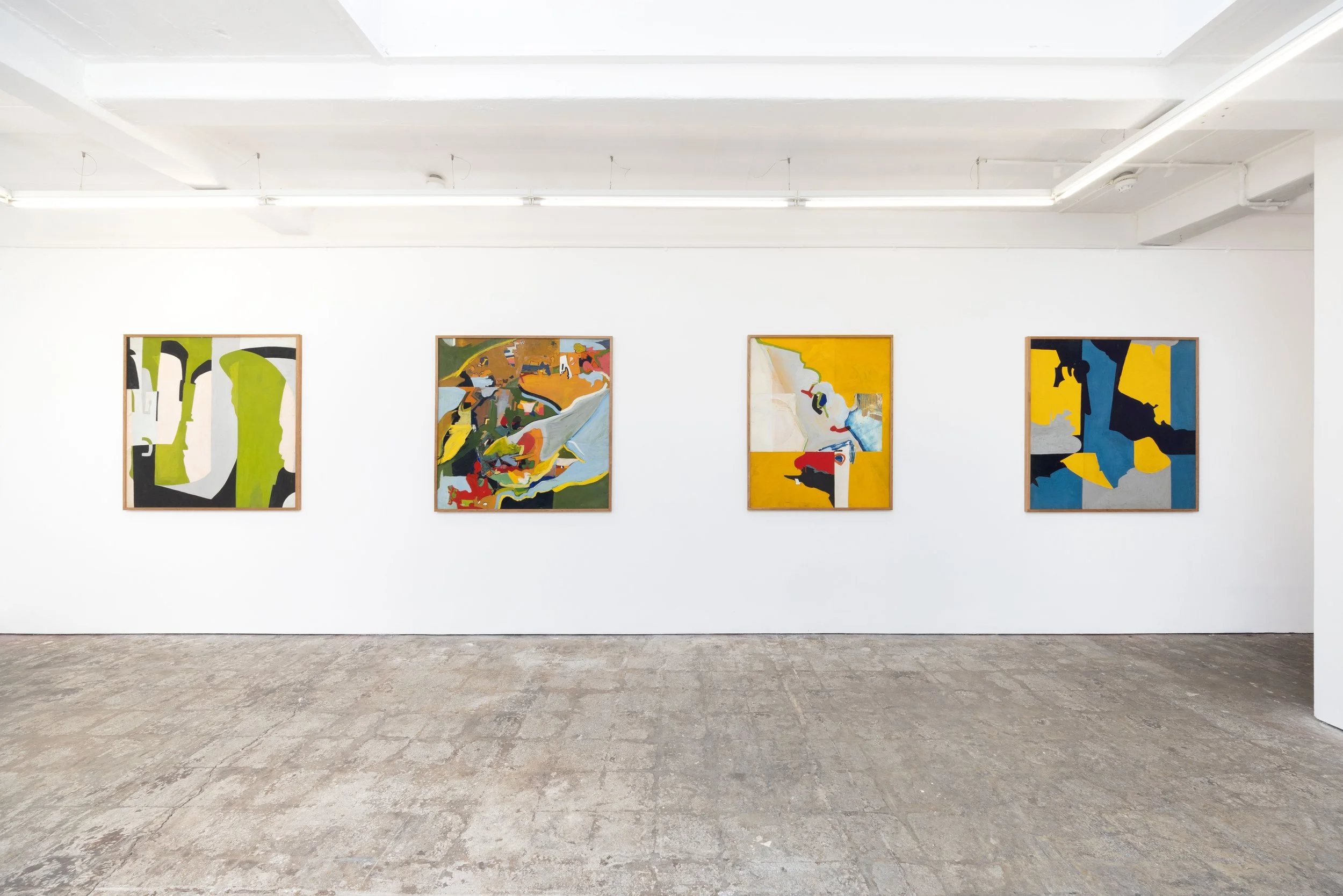
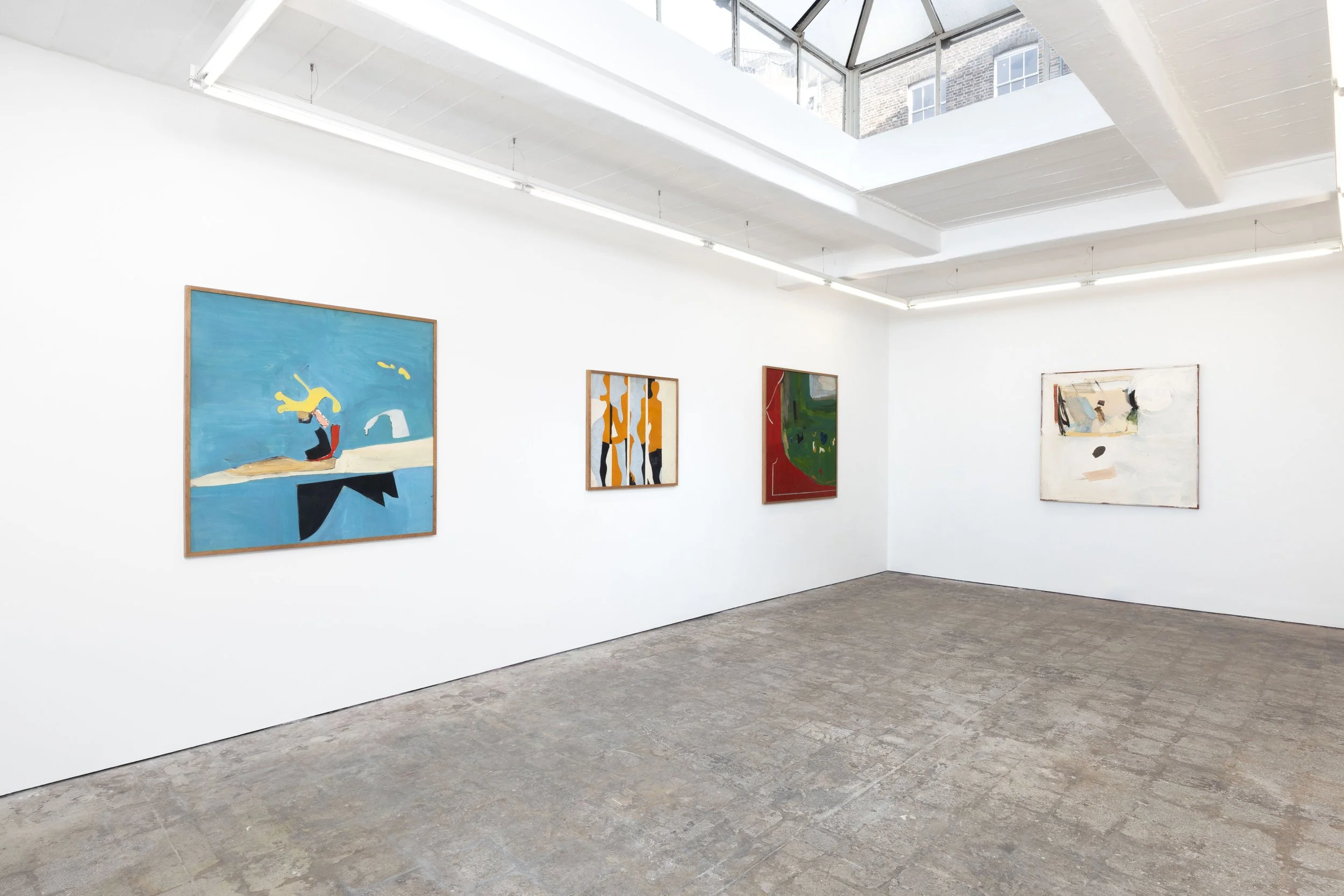
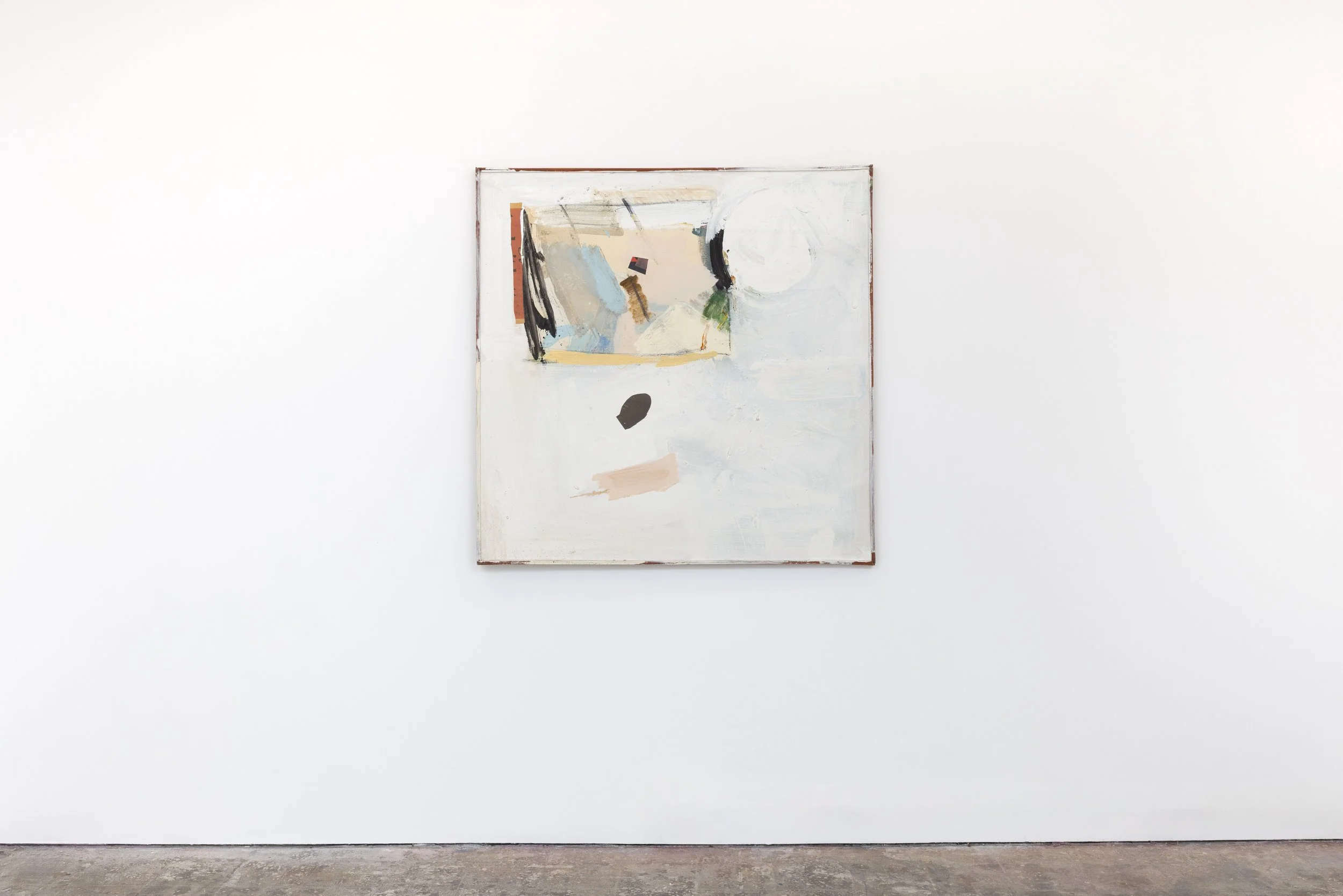
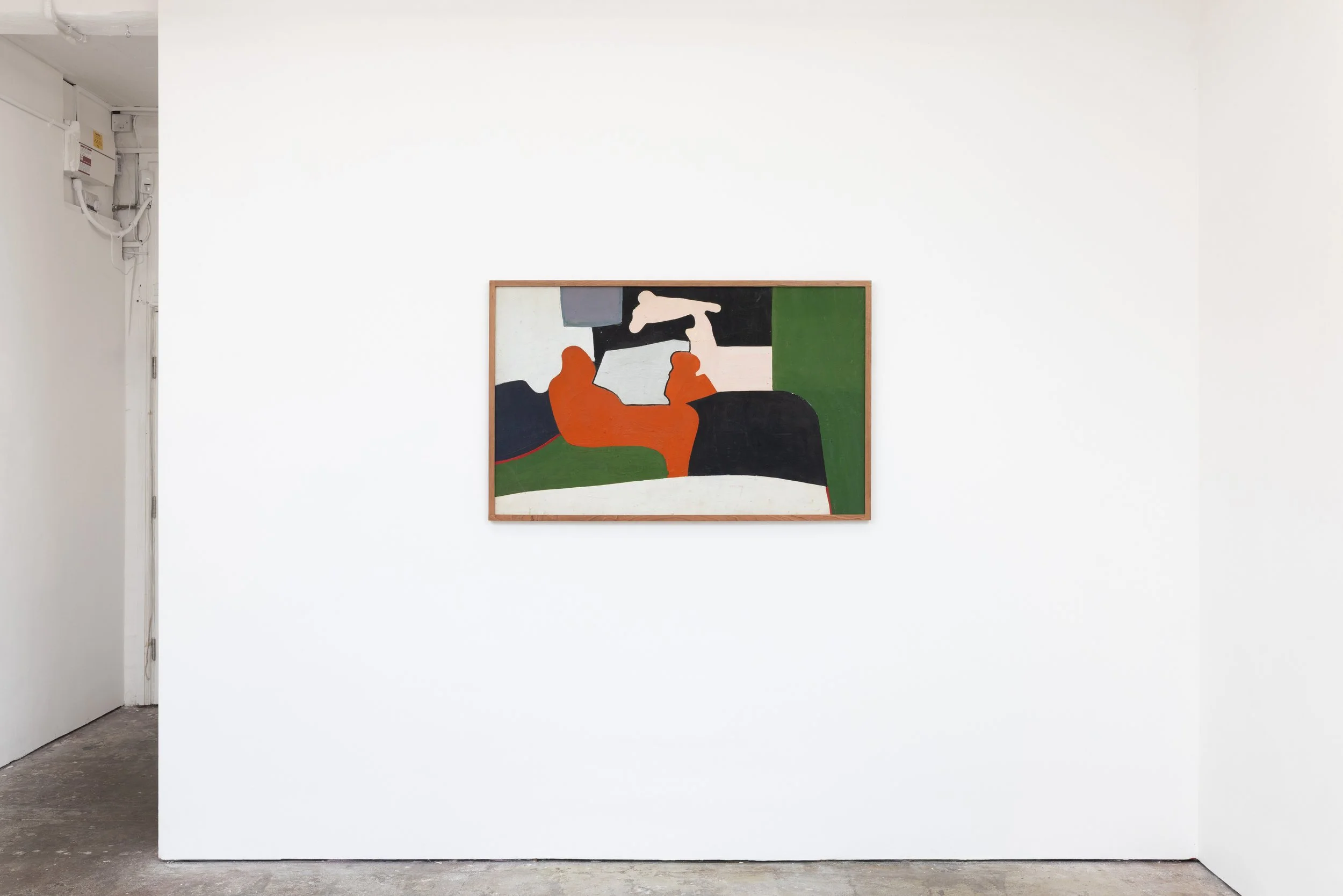
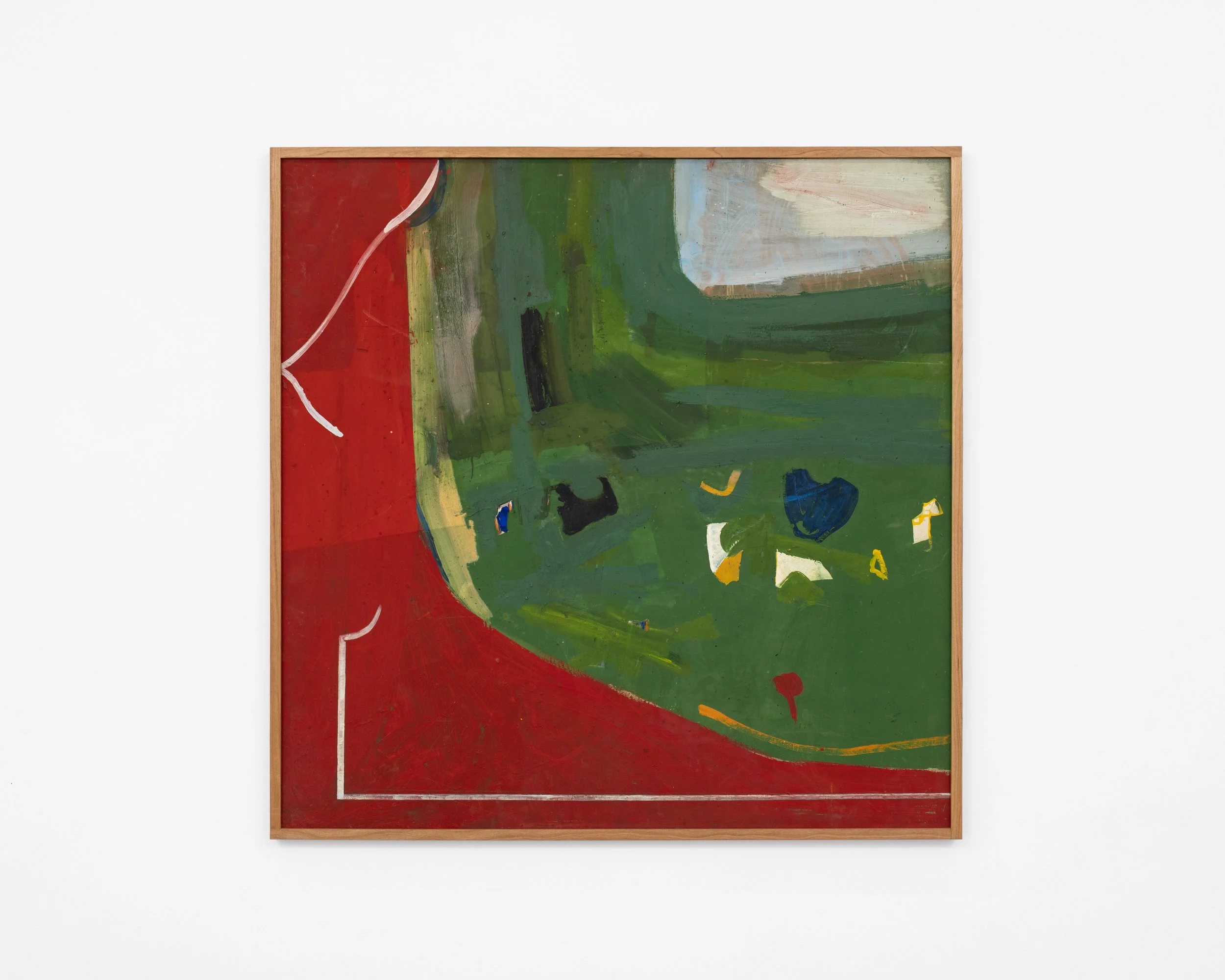
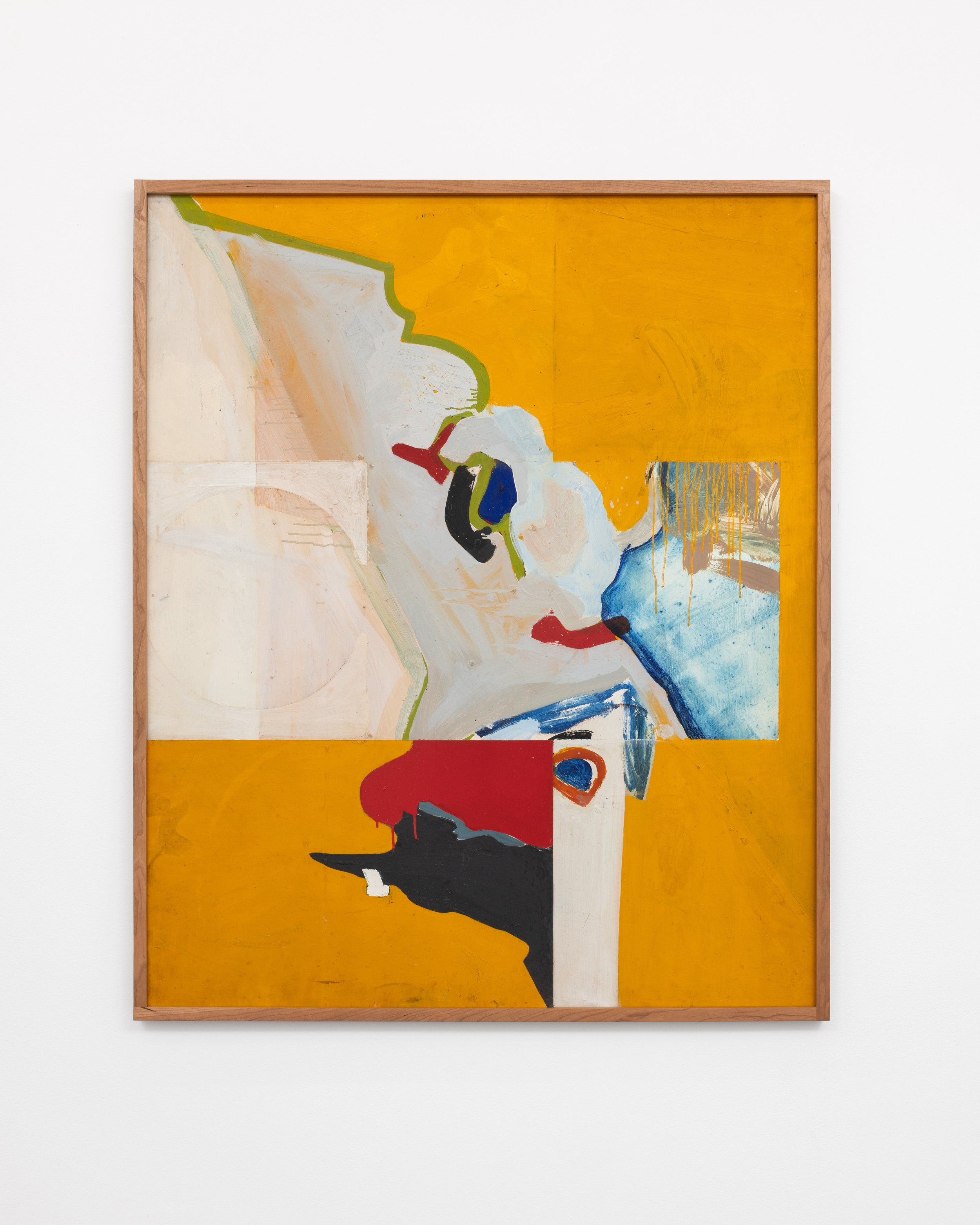
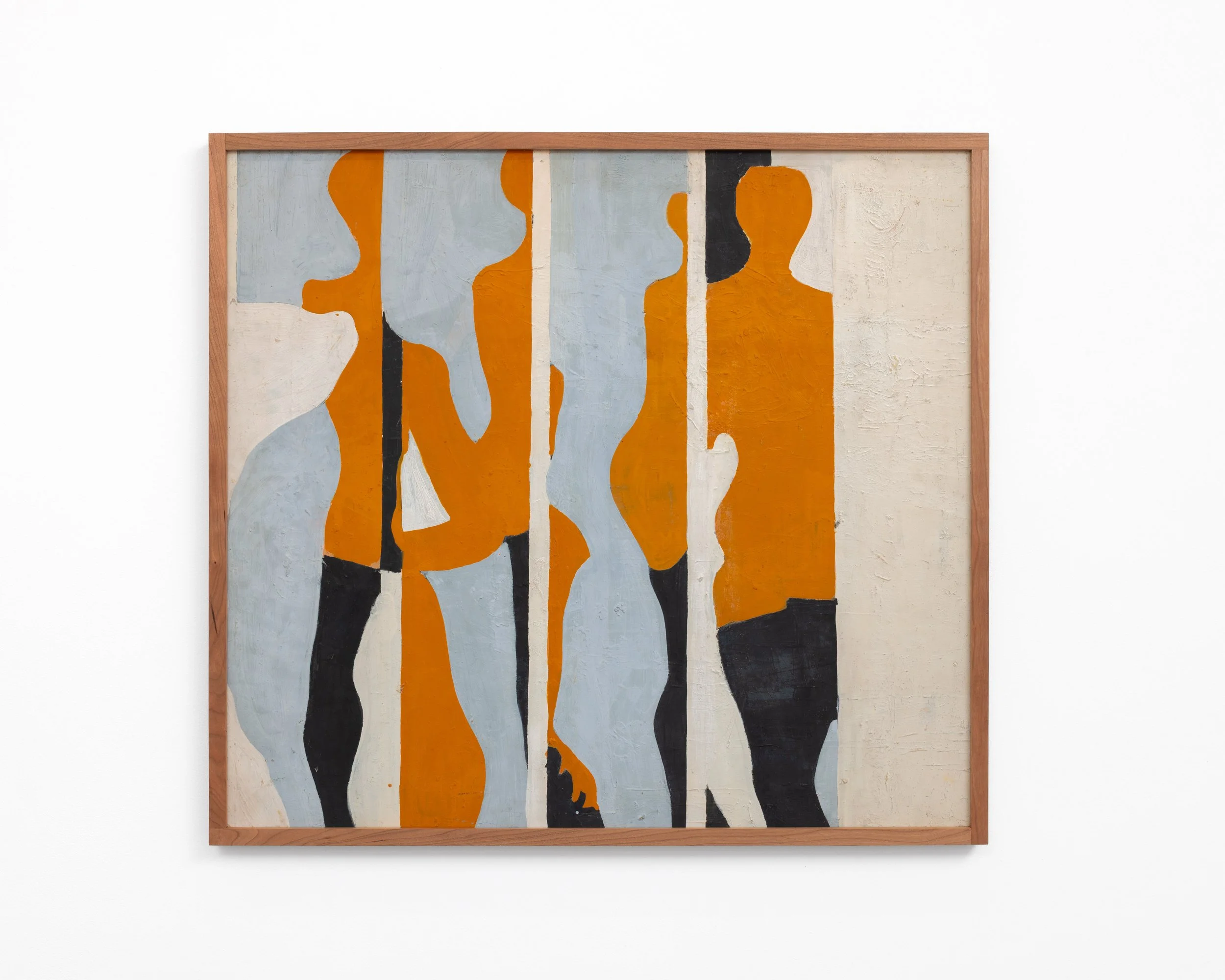
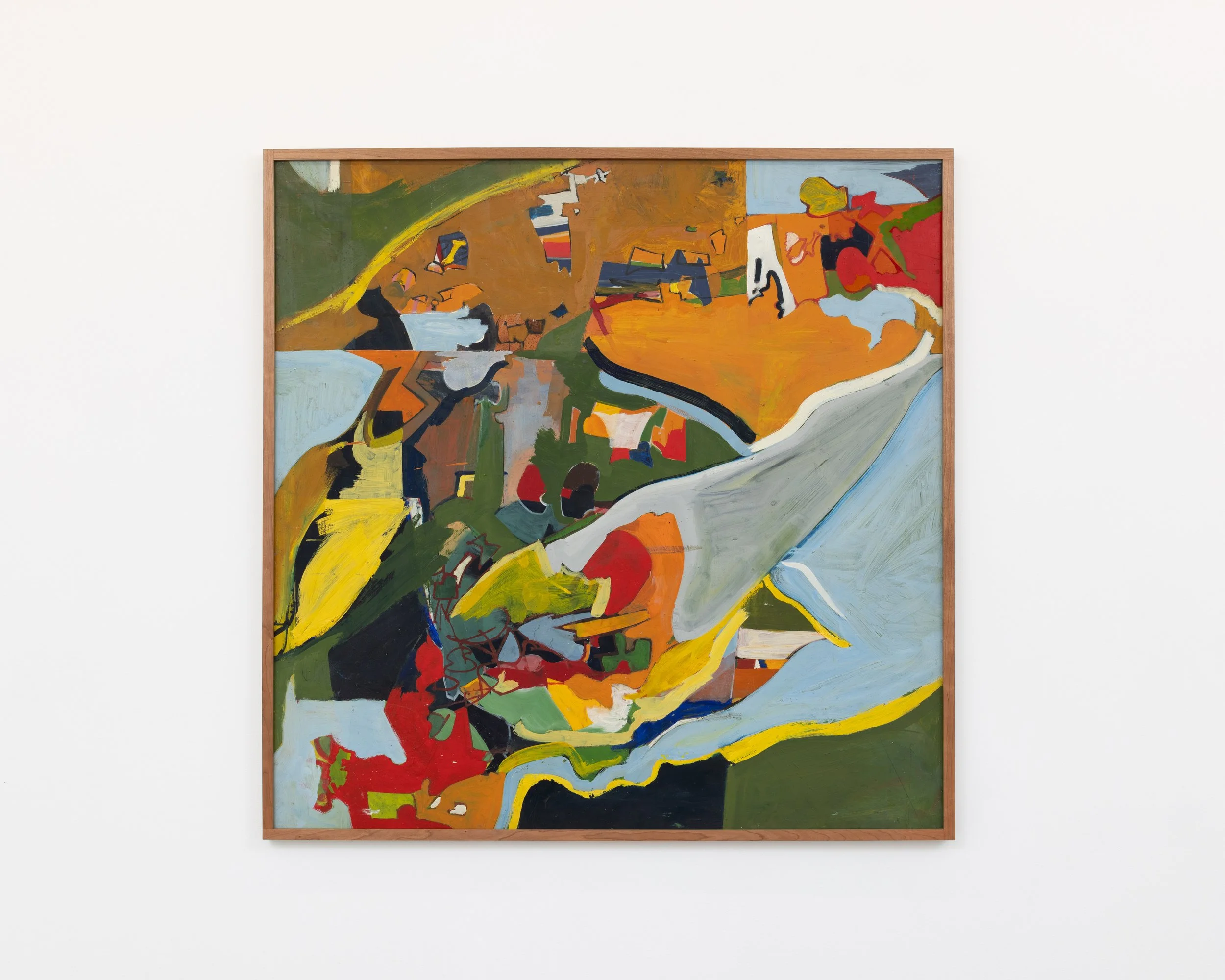
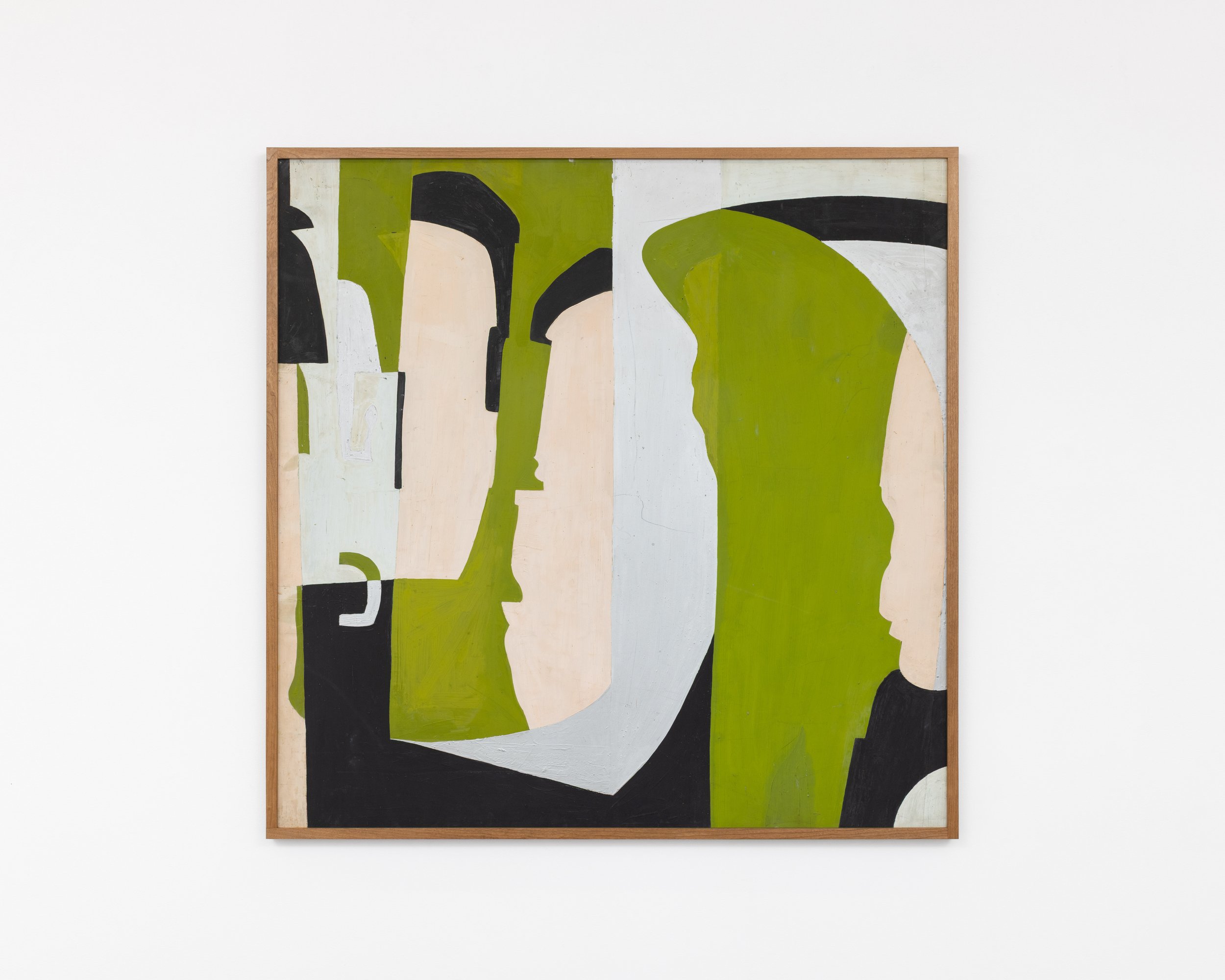
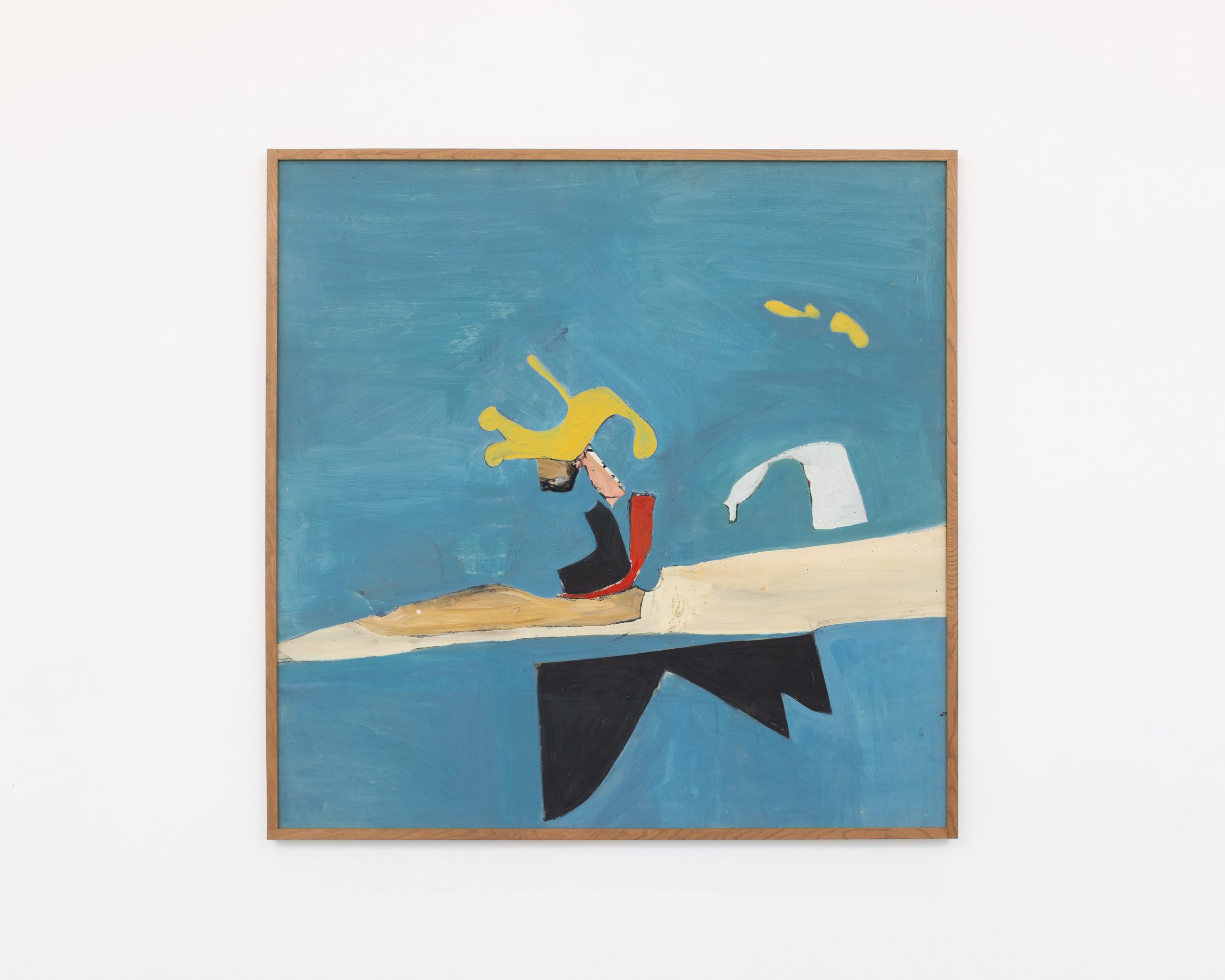
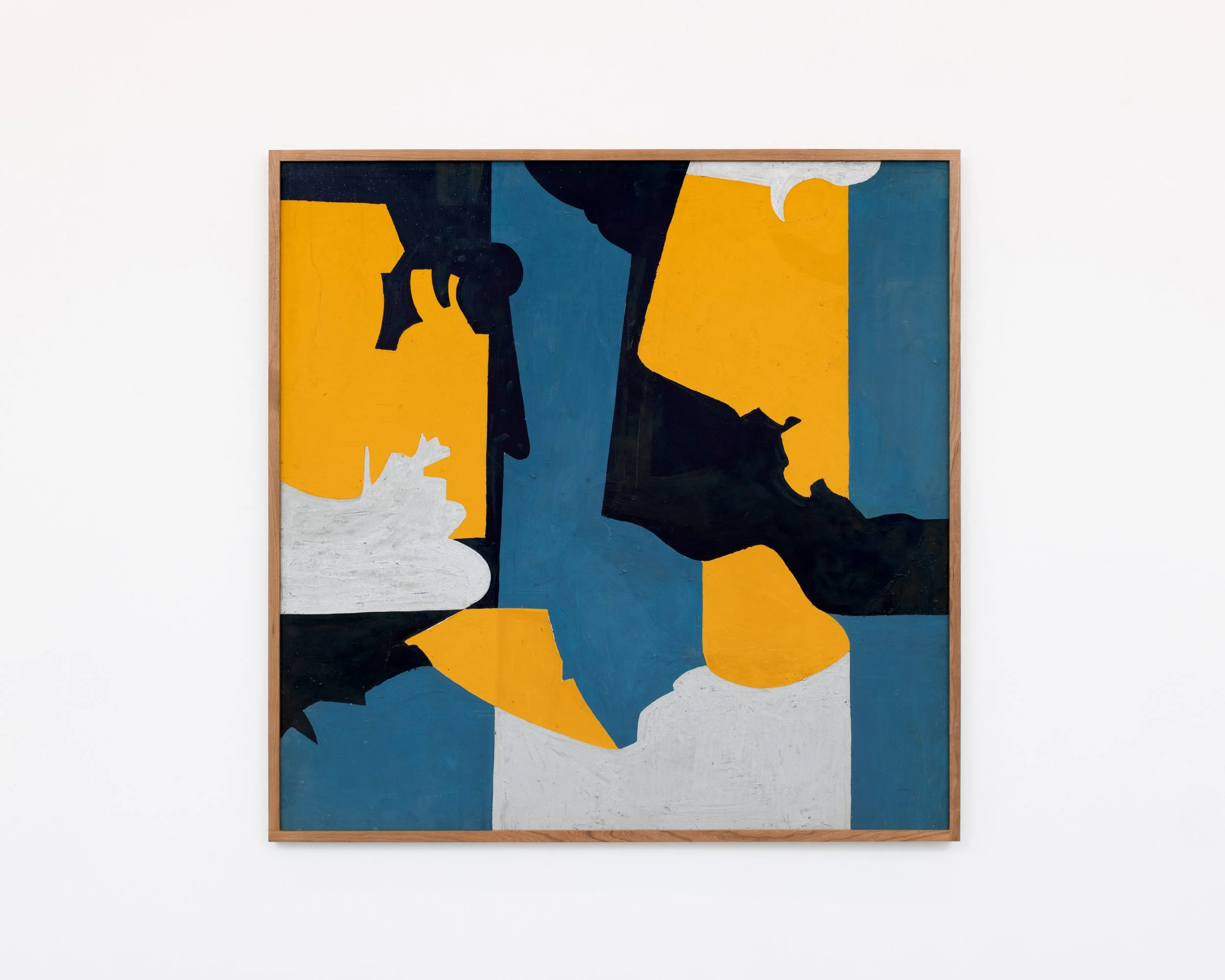
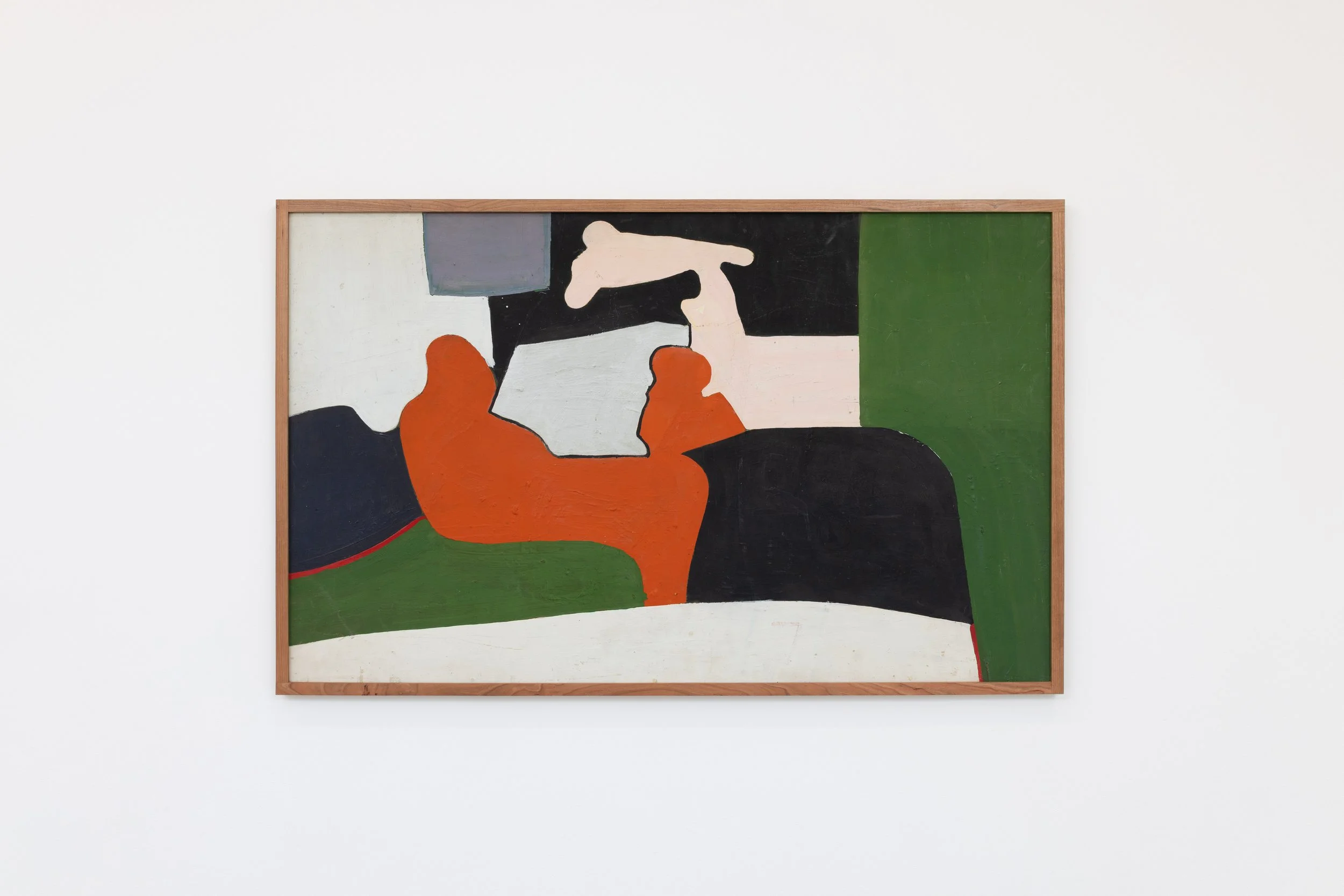
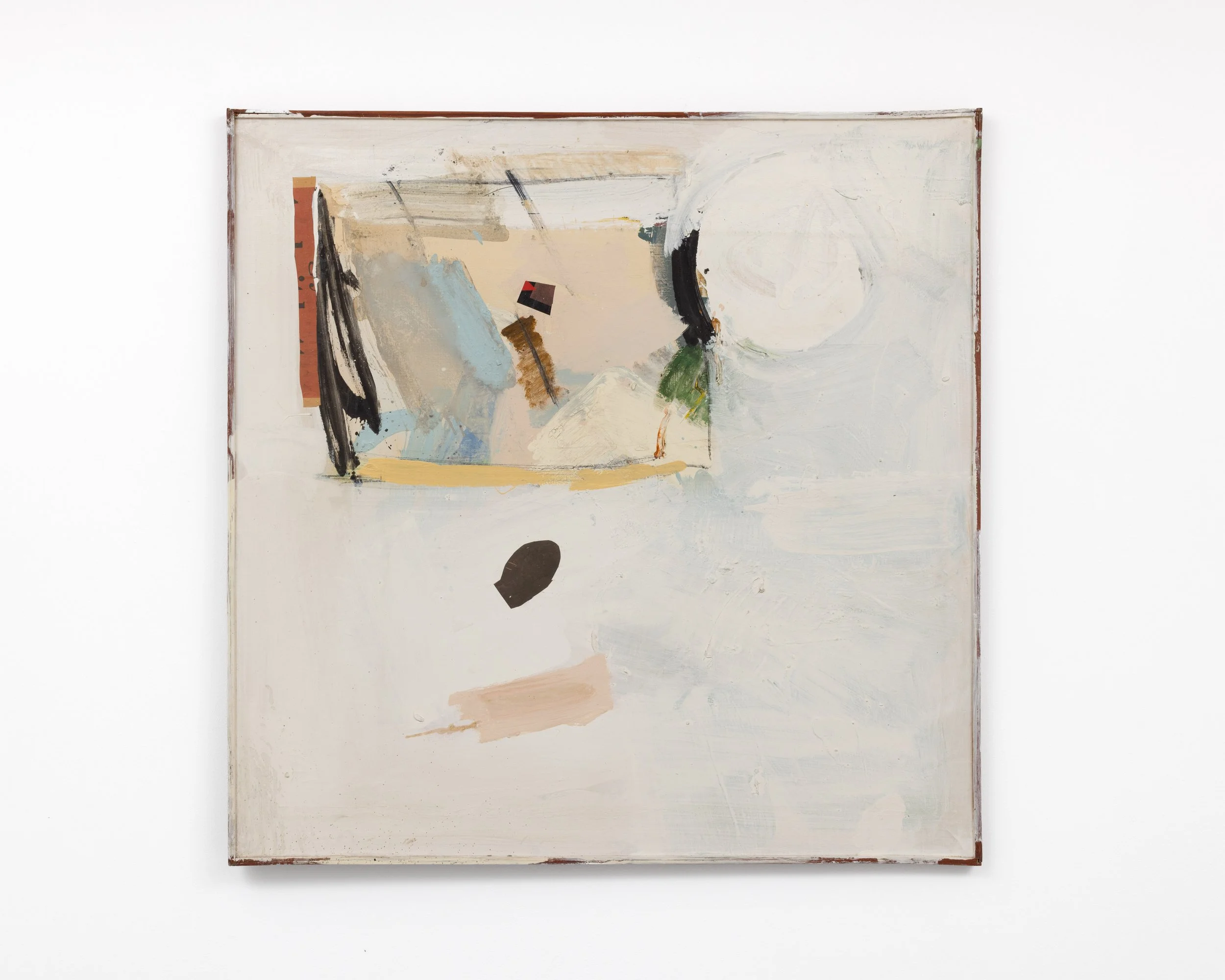
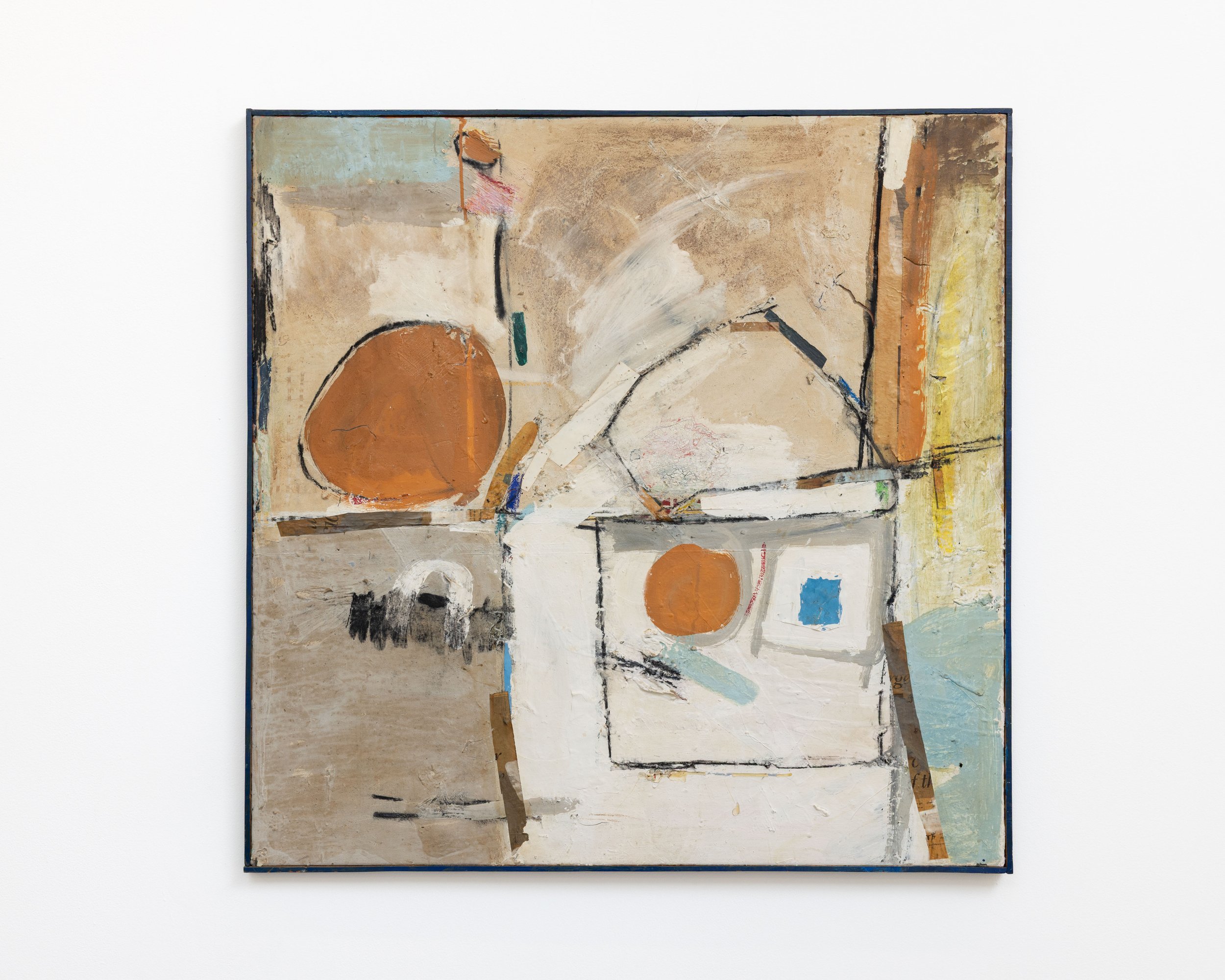
A Life in Abstraction brings renewed attention to Michael Perton (1935–1996), a significant yet under-recognised figure in post-war British abstraction. Focusing on the pivotal decade of the 1960s, it brings together rarely seen paintings that reveal the ambition, experimentation and originality of an artist whose achievements have long exceeded his reputation.
Michael Perton belonged to a generation of artists who transformed British painting in the aftermath of the Second World War. Across a career spanning four decades, he exhibited alongside leading figures including David Hockney (1937-2026), Frank Auerbach (1931-2024), Howard Hodgkin (1932-2017), John Hoyland (1934-2011) and Frank Bowling (b. 1934), and received considerable critical and institutional recognition. His work was shown at major institutions including the Whitechapel Gallery, Royal Academy of Arts, the Institute of Contemporary Arts and Walker Art Gallery, while paintings entered important public collections such as the Arts Council Collection and The Hunterian, University of Glasgow. Despite this, his influence and contribution have since been overlooked within dominant accounts of post-war British art. This exhibition seeks to restore Perton’s place within that history.
This exhibition returns to the decade in which Perton developed the abstract language that would underpin his lifelong practice. Moving beyond the figurative elements of his earlier work, this period marked a decisive shift towards an understanding of the picture plane as a unified field, rejecting conventional distinctions between foreground and background. As he later reflected: “I began to recognise that a certain wholeness was missed if the split between subjective and objective remained… Resolving this conflict became my main concern.”
Born and raised in London, Perton lived, worked and taught in the city throughout his life. He studied at Chelsea School of Art under Victor Pasmore (1908-1998), Richard Hamilton (1922-2011), Leon Kossoff (1926-2019) and Jack Smith (1928-2011), who would become a lifelong friend and mentor. These formative encounters introduced him to a generation of artists redefining the relationship between abstraction, observation and contemporary visual culture. They provided the foundation for a practice that brought together the constructive principles of British Abstraction and Constructionism with a rigorous and emotive investigation of colour, structure and process.
Following postgraduate study in Munich and Berlin, Perton expanded these early ideas into a highly distinctive visual language shaped by both British and continental influences. His engagement with new technologies and industrial materials reflected the wider atmosphere of cultural reconstruction and experimentation in early 1960s Europe. Through grids, masking, colour blocking and an ongoing exploration of positive and negative space, he created paintings that combined geometric precision with a profound sensitivity to surface, rhythm and materiality, pursuing what he described as “the degree of integration that allows for free expression.”
At the heart of Perton’s work was a sustained commitment to process and to the exploration of the complexities and tensions of his inner world. Perton’s paintings developed gradually through repeated cycles of reflection, adjustment and revision before reaching completion. In a letter by Jack Smith, written in 1963, Smith reflects: “Michael Perton is a dedicated artist, constantly searching, pushing each painting towards a personal and formal conclusion”. This dedication continued throughout a life marked by periods of intense creative activity alongside periods of convalescence during times of mental ill health, experiences that formed part of the wider context in which his work evolved.
The works in the exhibition reveal an artist deeply engaged with the legacies of post-war modernism while responding to the rapidly changing visual culture of his time and the demands of his own inner experience.
At a moment when the history of post-war British abstraction is being reconsidered through a broader range of artists and practices, Michael Perton (1935–1996): A Life in Abstraction offers a timely reassessment of a painter whose achievements merit their place within the dominant narrative of British art.
INSTALLATION VIEWS