TRISTAN PIGOTT
THE ORANGE TREE
For available works and further information please contact: info@aliceblackgallery.com
Opening Hours:
Wednesday to Friday 12am – 5pm, Saturday 12pm – 3pm
Address:
ALICE BLACK
7 Windmill Street
London W1T 2JD
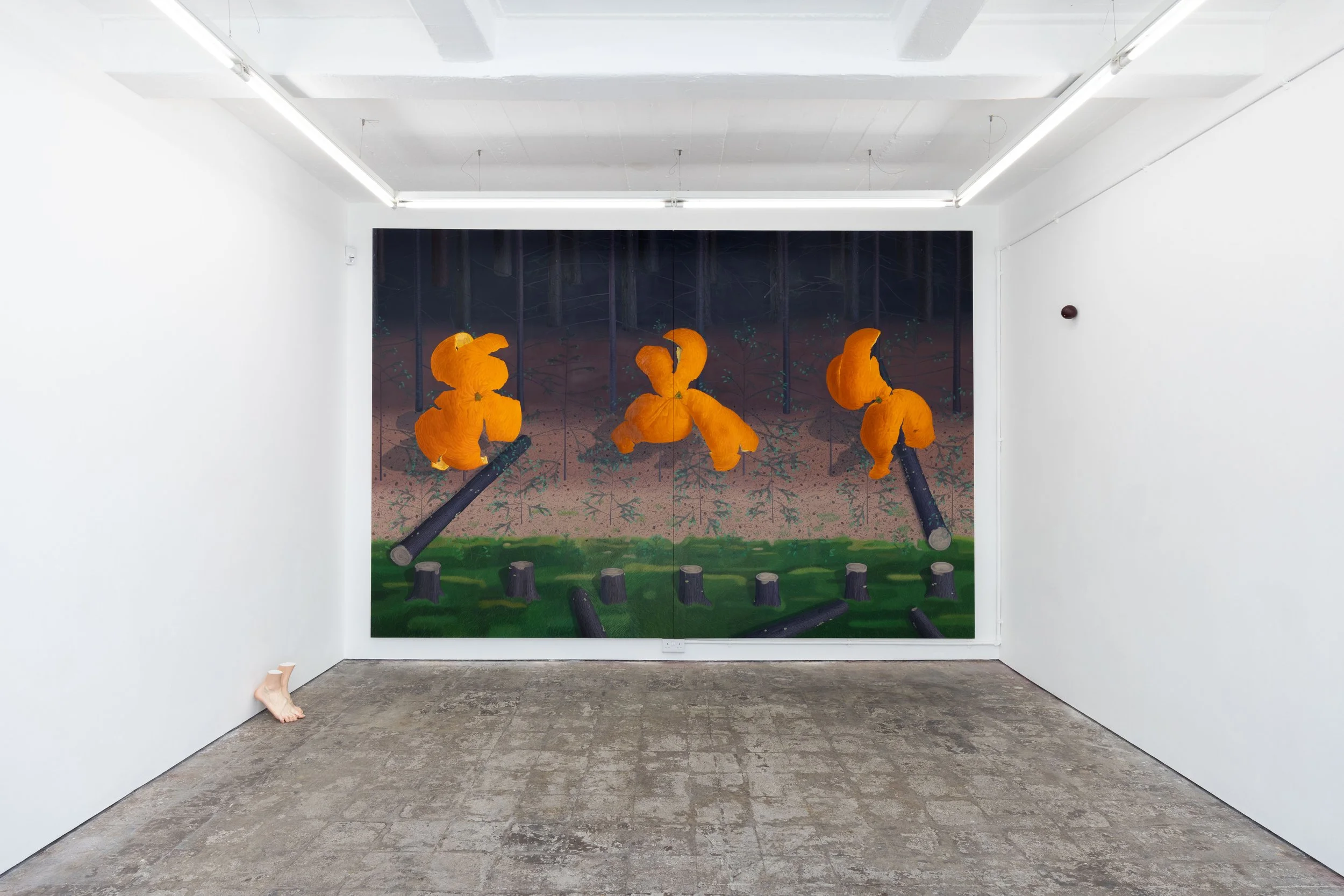
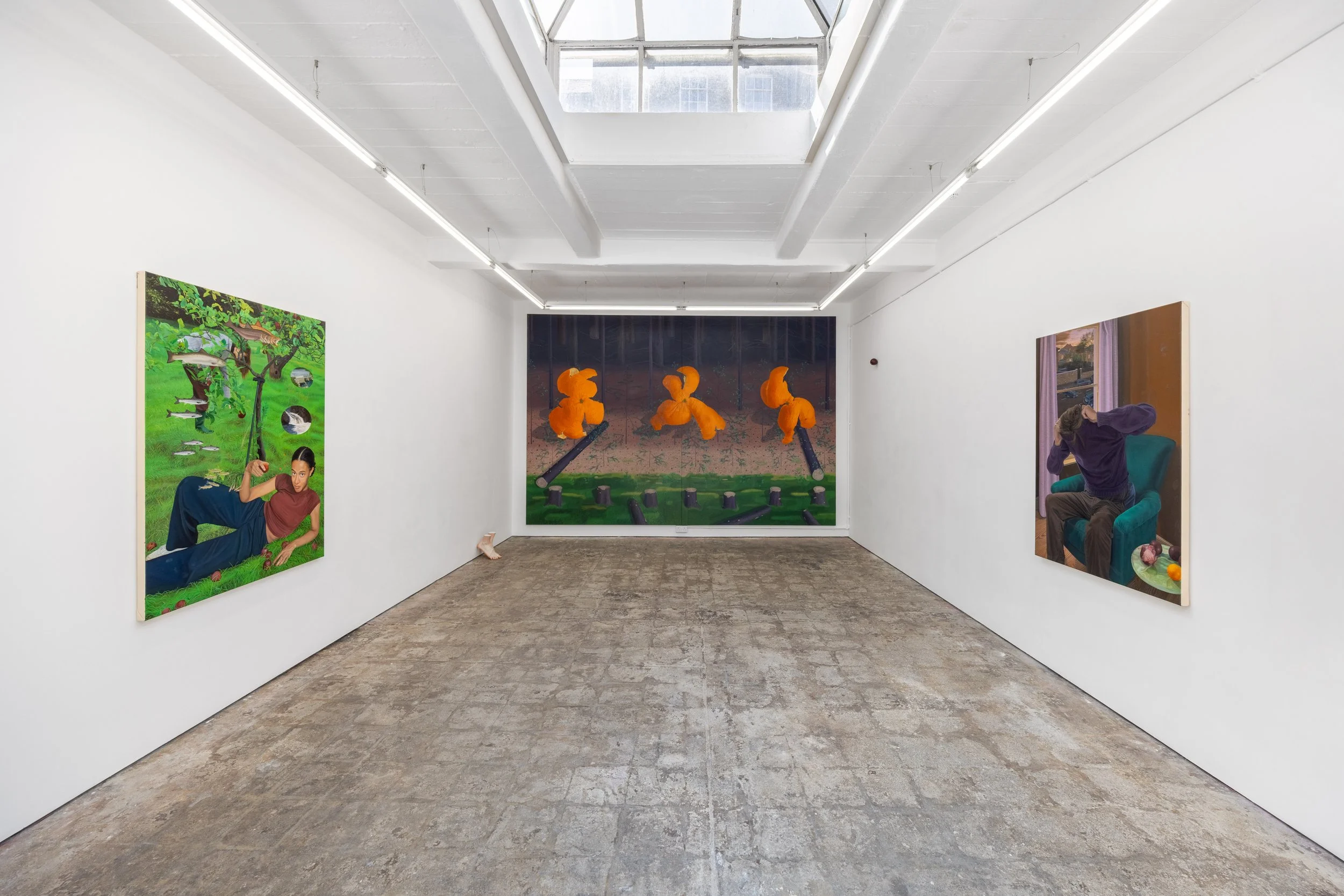
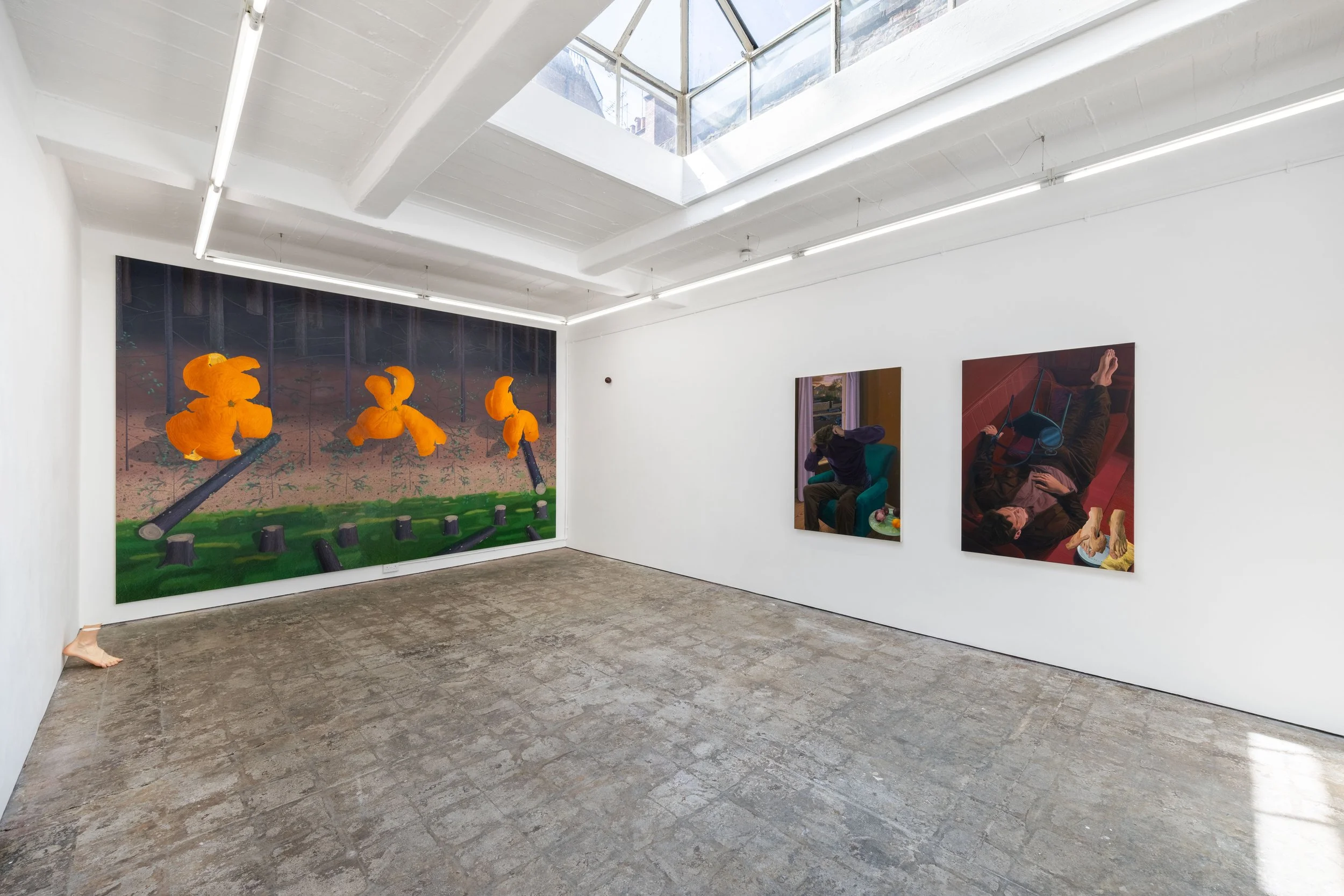
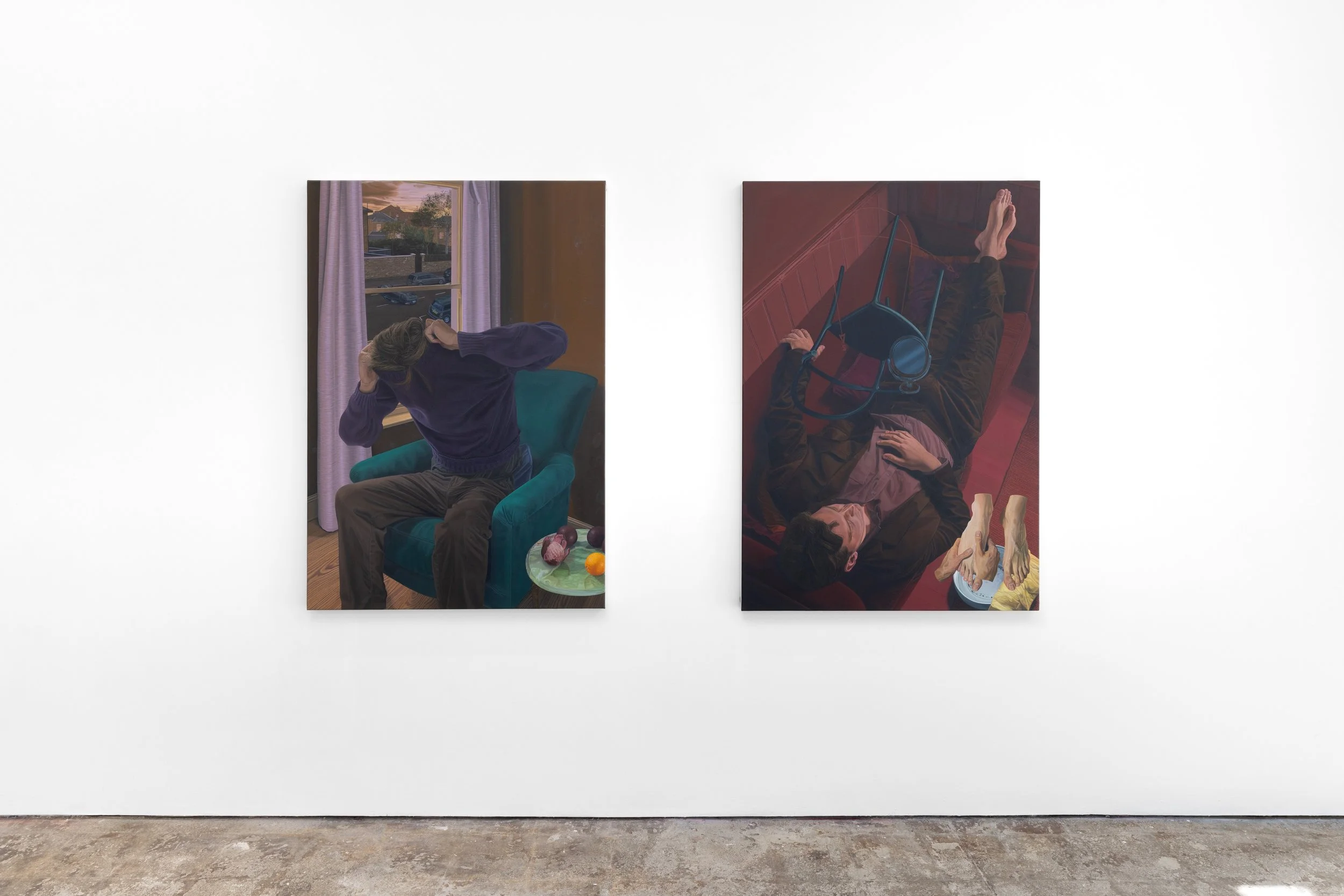
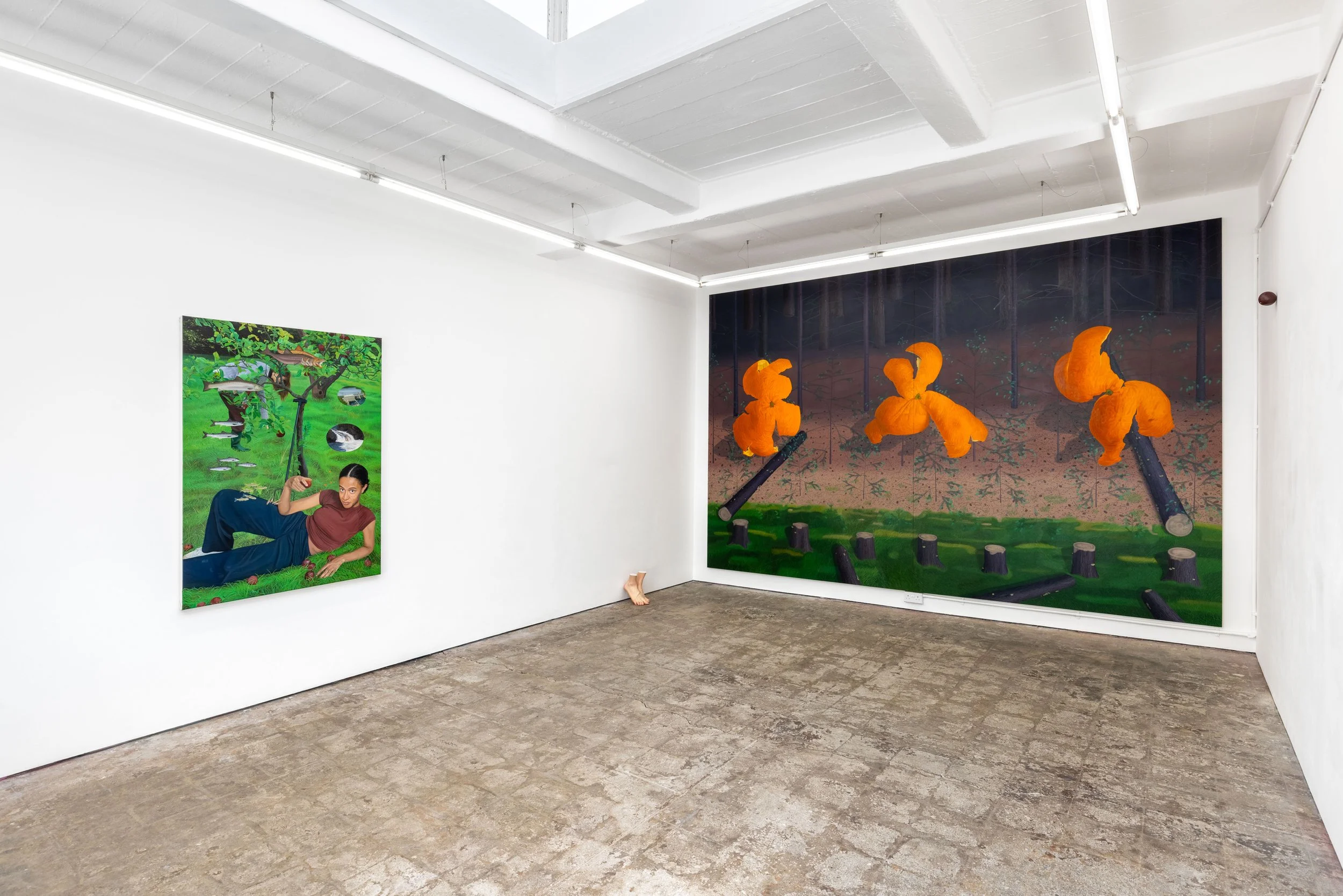
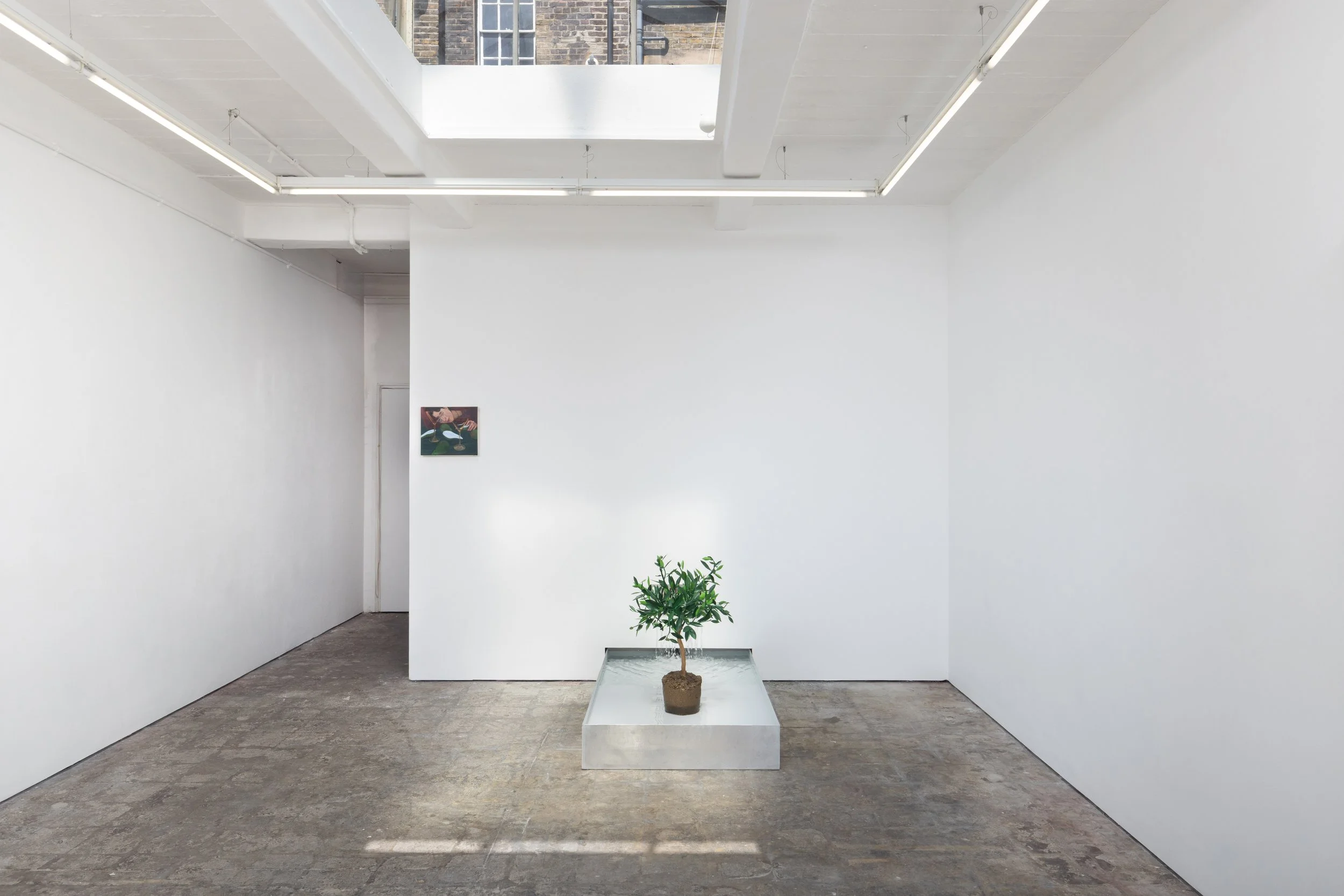
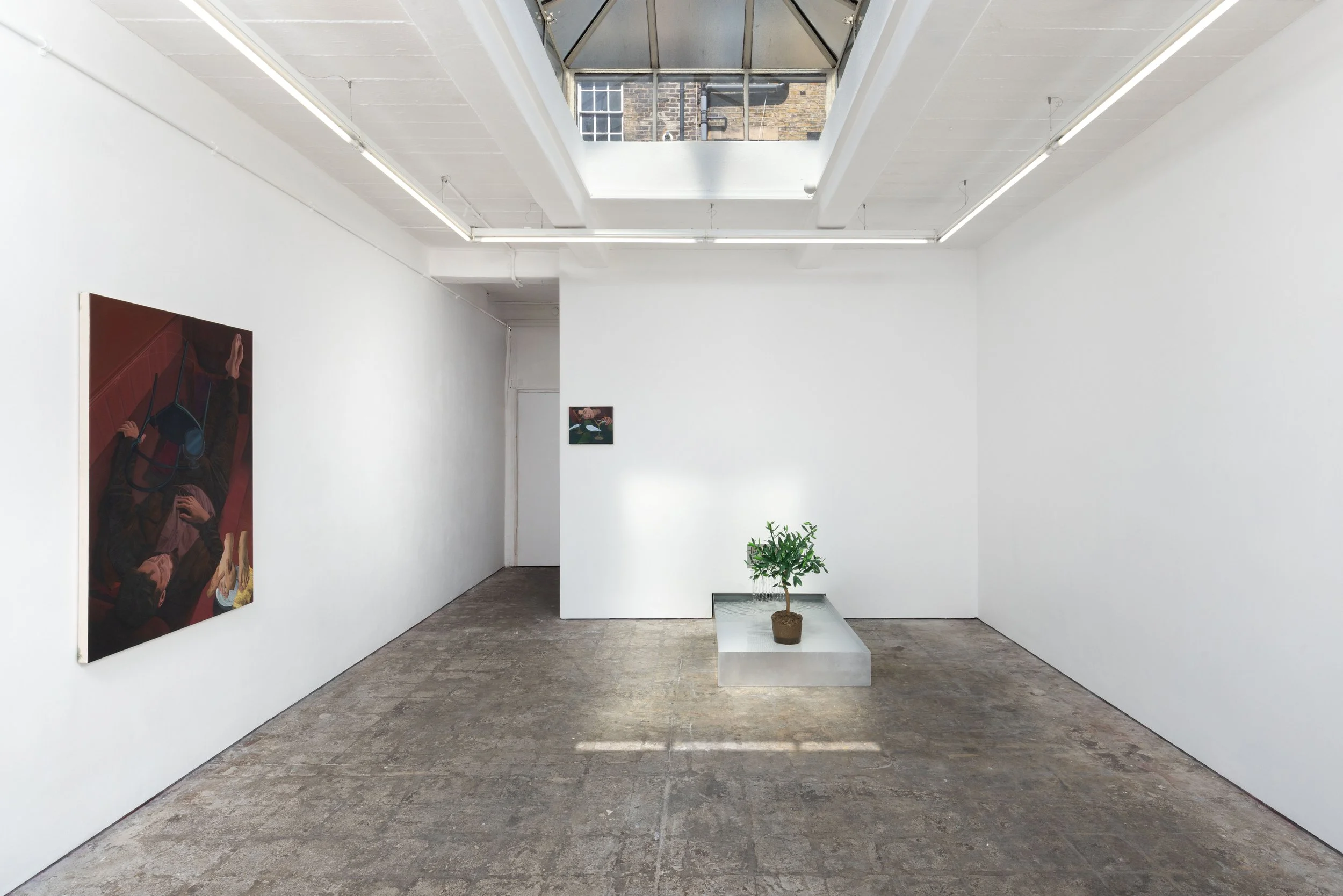
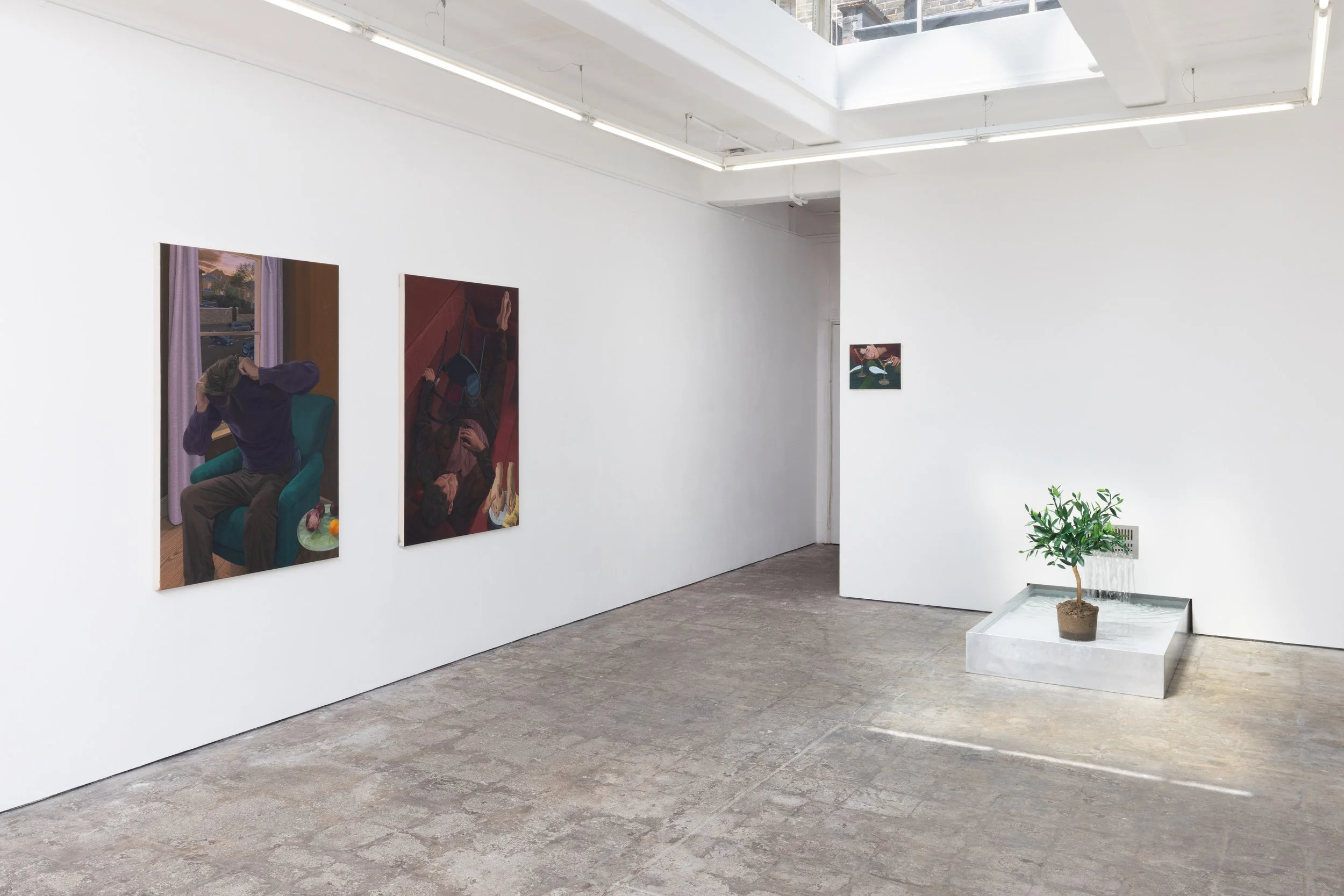
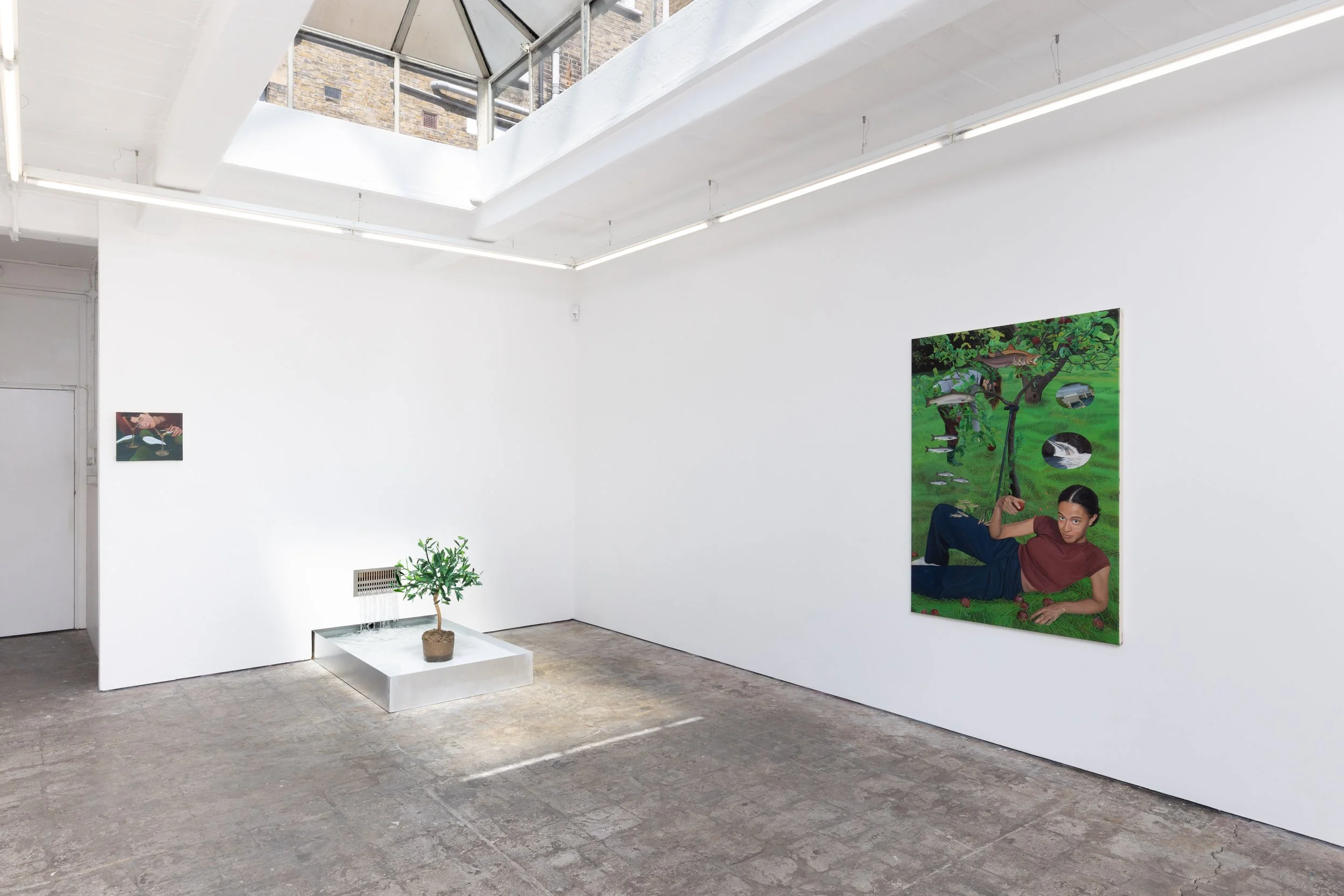
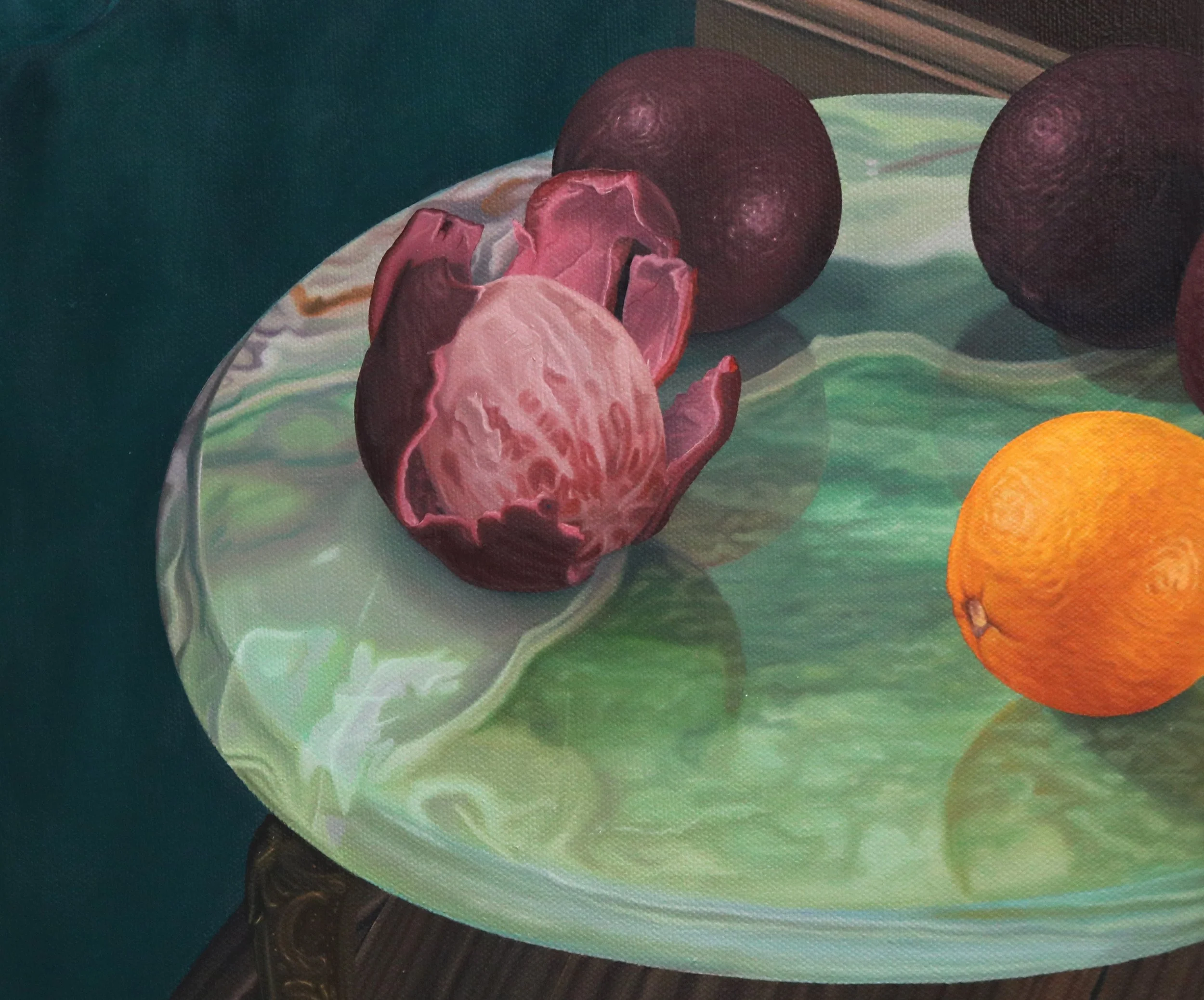
ALICE BLACK is delighted to present The Orange Tree, a new solo exhibition by British artist Tristan Pigott. The exhibition will preview at the gallery’s Fitzrovia space in London on Thursday 28 May 2026 (6–8 PM). Pigott (b. 1990) lives and works in London, UK. He holds a BA from Camberwell College of Arts (2009–2012) and an MA in Sculpture from the Royal College of Art (2017–2019). Recent exhibitions include Threshold (Cylinder, Seoul, 2025); Ensemble (The Perimeter, London, 2024); and Instrument in a Spiral (Alice Black, London, 2023).
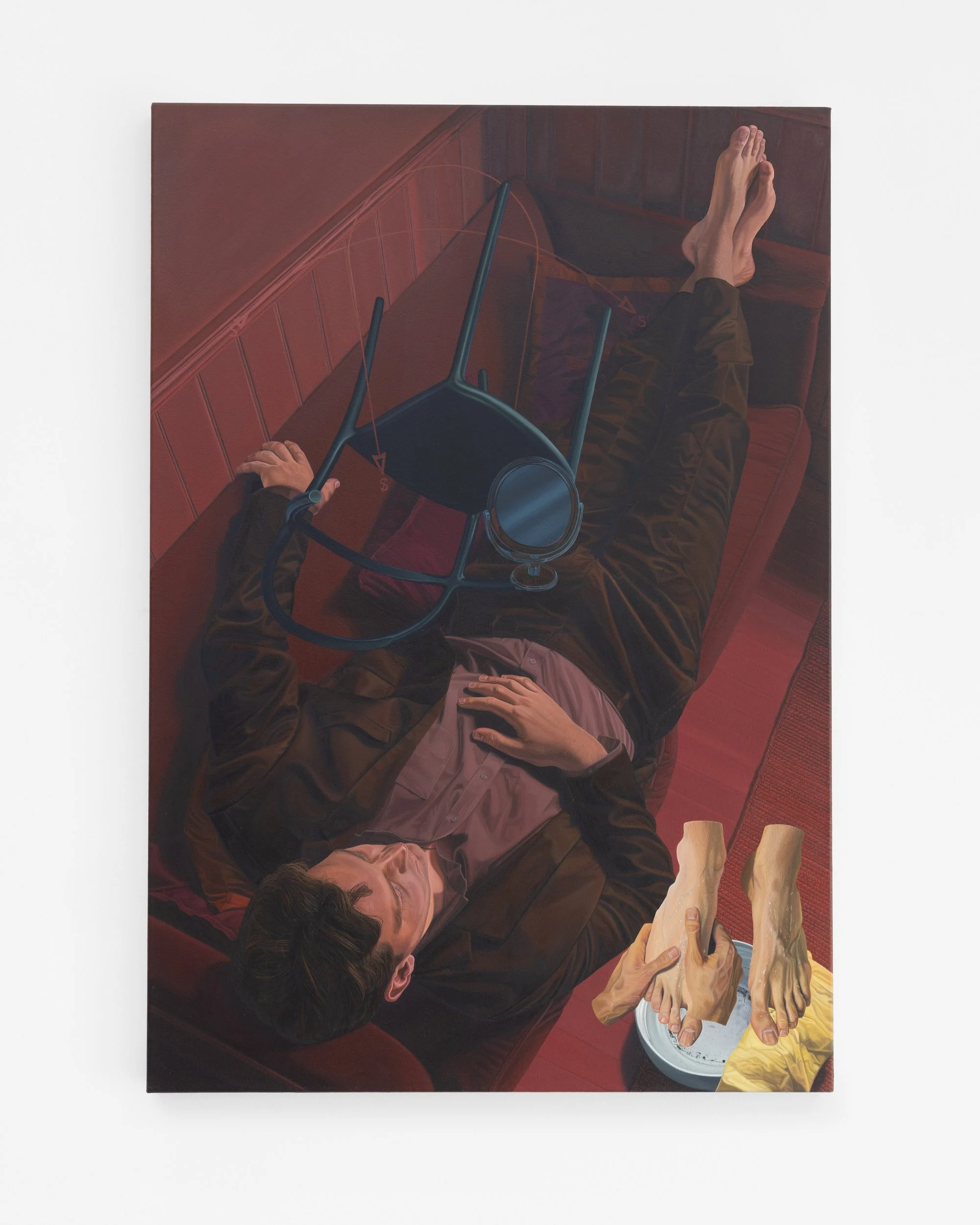
Pigott’s practice operates at the intersection of painting, sculpture, and installation, engaging a critically hybridised field of image production and display. His work interrogates the conditions of perception in an era shaped by the simultaneity of historical imagery and contemporary visual culture. Drawing on a wide spectrum of references, Pigott constructs visual genealogies that articulate how images persist, mutate, and accrue meaning over time.
Central to his practice is a sustained engagement with the legacies of figurative painting and the symbolic structures of still life. These motifs are reconfigured through rigorously composed tableaux in which figures, objects, and architectural elements are staged with acute attention to spatial and semiotic relationships. His work reflects on the instability of hierarchies between “high” and “low” culture, while foregrounding the circulation and remediation of images across contexts.
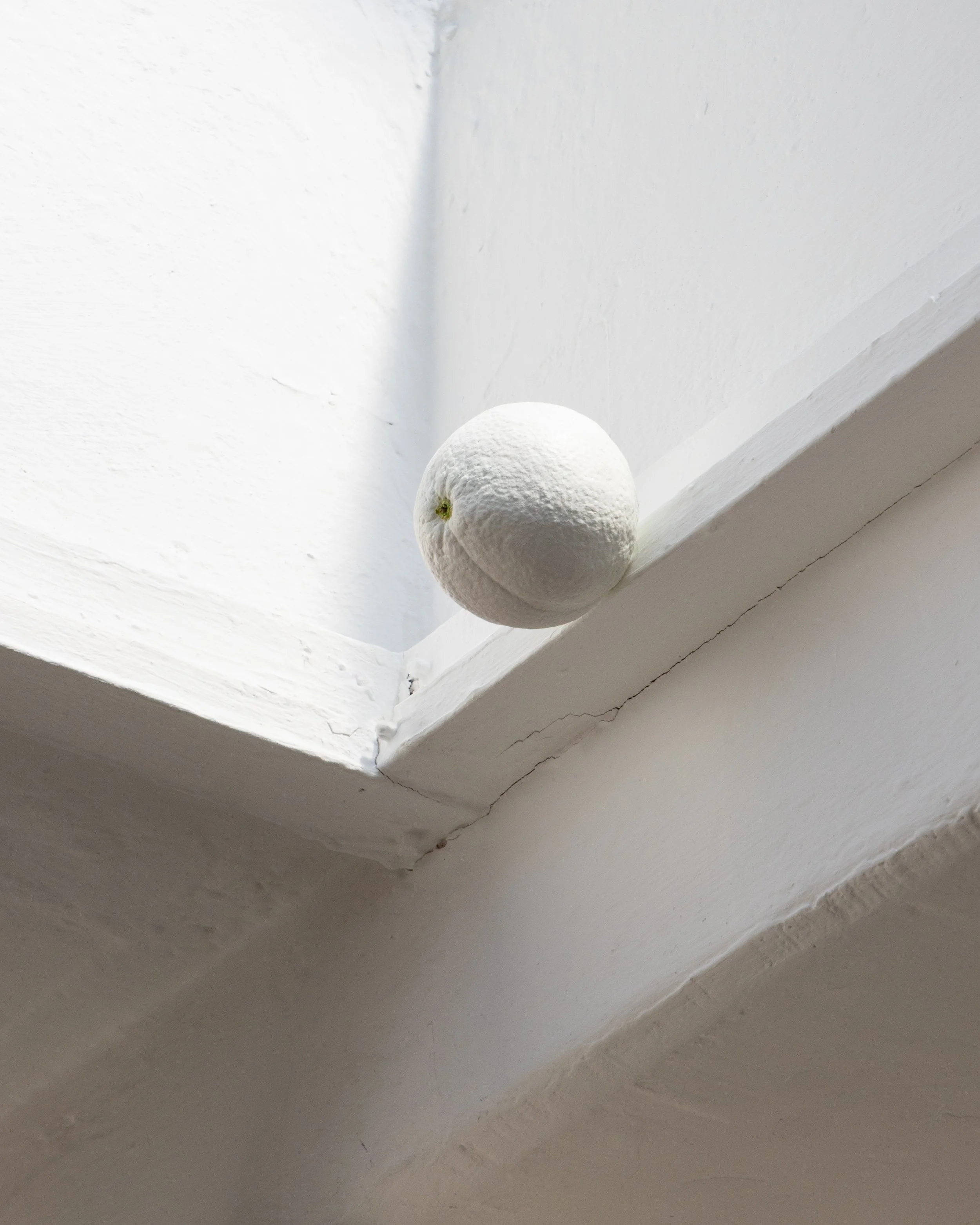
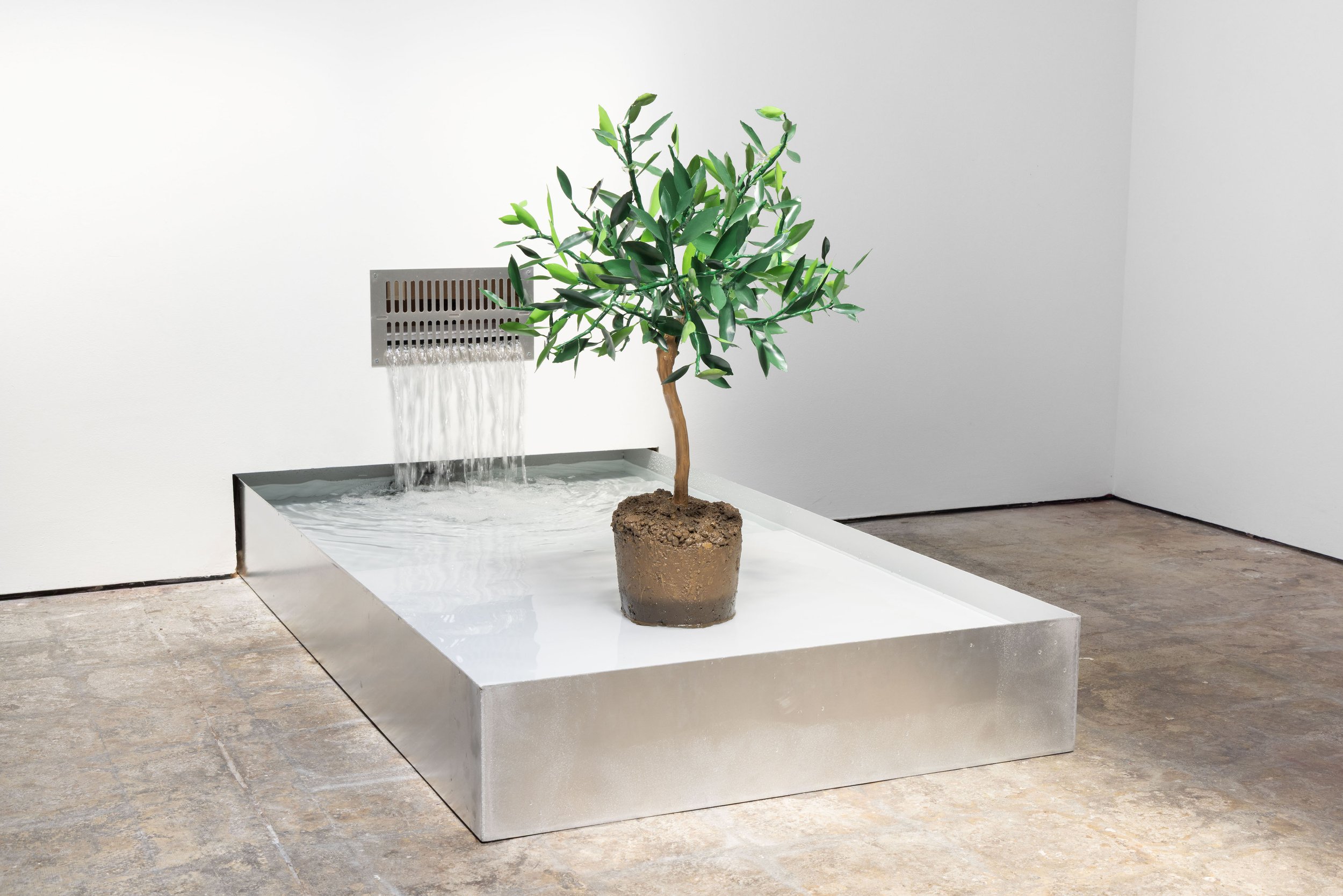
Pigott’s paintings are not conceived as autonomous images but as components within a broader sculptural and spatial logic. Through the introduction of physical interventions and modes of display that disrupt the neutrality of the wall, he challenges the conventional ontology of painting as a bounded, frontal surface. Instead, the works assert a contingent, object-based presence that unfolds in relation to the viewer’s movement and the surrounding environment. This expanded approach situates painting within a discursive field that encompasses installation practices and theories of spectatorship, emphasising the work’s activation within real space and time.
Across his practice, Pigott advances a nuanced inquiry into how images are constructed, encountered, and historicised, proposing painting as an adaptive medium capable of negotiating the metamorphoses of contemporary visual experience.
The exhibition is accompanied by a text written by the Artist.
INSTALLATION VIEWS